Mae was fifty years old when her husband, J. E. Witcher, died on February 20, 1931. She appears to be doing well and managing her affairs, as newspaper notices indicate. She, or someone in her employ, oversees the cattle herd, which had increased by at least 55 calves by August 1932. Her bond with her youngest sibling, Clydine, a high school teacher living in San Angelo, grew stronger during this period. She was also very active in her church, hosting gatherings and providing refreshments for the Pearl Randall circle of the Methodist Missionary Society.
“Miss Clydine Stickney, of San Angelo, is the guest of her sister, Mrs. Mae Witcher, for the summer.” The Odessa American, 26 Jun 1931, page 5, Newspapers.com.
“Mrs. J. E. Witcher and sister, Miss Clydine Stickney, left Sunday for Roswell, New Mexico, to visit and from there will go to Ruidoso for a vacation in the mountains.” The Odessa American, 22 Jun 1932, page 7, Newspapers.com.
“Cattle Trade Shows Heavy Activity at End of Week – Mrs J. E. Witcher, 55 heifer yearlings to E. W. Cowden.” The Midland Reporter, Midland, Texas, Aug 14, 1932, Texas Tech Univ. Southwest Collection.
“Mrs. J. E. Witcher has had as her guests the past week her sister, Miss Clydine Stickney, of San Angelo, Mrs. C. H. Brown of Roswell, New Mexico, and daughter, Miss Elsie Brown, of Los Angeles, CA, and Mrs. J. S. Gardner of Robert Lee.” The Odessa American, 2 Sep 1932, Fri. Page 5, Newspapers.com.
“Miss Clydine Stickney of San Angelo spent the holidays here with her sister, Mrs. May Witcher.” The Odessa American, Fri, Dec.30, 1932·Page 5, Newspapers.com.
The Reporter Telegram, Midland, Texas, July 6, 1933, Southwest Collection Texas Tech University.
“Mrs. Mae Witcher of Odessa is a business visitor in Midland today.”The Midland Reporter, Apr. 2, 1934, Southwest Collection Texas Tech University.
The Odessa American, Odessa, TX, Apr. 26, 1935, Newspapers.com.
Four years later, on November 14, 1935, Mae married Daniel Lee Buchanan, age 65. The only newspaper article about their marriage provides few details, not even the bride’s name. According to the marriage record in Ector County Marriage Record Volume 2, page 5, they were married in Odessa by W. C. Harrison, pastor of Odessa Baptist Church.
This was the second marriage for both Mae and Daniel, and it is believed their families were acquainted while living in Robert Lee in the late 1890s and early 1900s. Daniel married his first wife, Ida Mae Bennick, on December 1, 1892, in Robert Lee, by County Judge H. L. Adams. A couple of years later, Daniel was involved in a Robert Lee mail fraud case involving money orders, along with his brother W. F. Buchanan and several other men. Details of the case are found in a Sonora newspaper, the Devil’s River News, dated May 5, 1894, and are available in the Southwest Collection/Special Collections Library of Texas Tech University. Six months later, on October 27, 1894, the same newspaper reported, “D. L. Buchanan of Robert Lee, a brother of W. F. Buchanan, pleaded guilty as being an accessory in the Robert Lee mail robbery case and was sentenced to 18 months in the penitentiary, at the present term of the El Paso federal court.” Daniel must have learned a hard lesson that crime doesn’t pay, and he appears to have led a respectable life afterward, even being elected in 1898 as a County Constable to uphold the laws. Mae and her family moved to Robert Lee in 1897 and may not have known about the mail fraud incident. Daniel was still in Robert Lee when the Coke County Rustler first reported that he was beginning in the grocery business, which would become his main line of work. In November 1898, the local newspaper reported that Daniel bought the “Deats Wagon Yard and stock of Groceries” in Robert Lee, and in 1906, the Colorado Record in Colorado City, north of Robert Lee, reported the following.
Colorado Record, Colorado City, TX April 13, 1906, Texas Tech University, Southwest Collections.
By 1910, Daniel and his family are listed in the Mitchell County, Texas, census as living in Colorado City. He is 40 years old, married for 18 years, and his occupation is listed as a farmer. According to local newspaper reports, Daniel was experiencing problems with his new grocery store in Colorado City and had issues with creditors in May 1913. It’s unclear whether the store actually closed, but by May 1917, Daniel is advertising a new business.
Colorado Record, Colorado City, TX, May 25, 1917, Texas Tech University, Southwest Collection.
The 1920 Census shows Daniel still working as a retail grocer, with his wife, Ida, and their four children living at home. In 1924, a large fire destroyed a theater and a hotel on Second and Elm streets in Colorado City, along with several other businesses and the Buchanan home, believed to have been on Second Street. However, the report in the Colorado Record of April 4, 1924, states that the home caught fire due to an “explosion of a kerosene heater in the bathroom and was burned with practically all contents.” By 1930, the Buchanans are living at 344 Walnut Street. The census lists only Daniel, age 60; wife Ida, age 55; and son Grover, age 13. On December 7, 1934, Ida died, and her death certificate indicates she had been suffering from heart issues for the past five months, which caused her death. Less than a year later, Daniel married Mae in November, and she soon moved into Daniel’s home on Walnut Street in Colorado City.
Little is known about Daniel and Mae’s life together, except for social events reported in the newspapers. In April 1938, they welcomed all of Mae’s siblings and their spouses to Colorado City to celebrate Easter.
Colorado Record, Colorado City, TX, April 22, 1938, p. 3, Texas Tech University, Southwest Collection.
Easter 1938, Colorado City Reunion Men Folk (L to R) Harry Lester Hall, John Samuel Gardner, Billy Joe & Franklin Burton Stickney, Daniel Loving Buchanan, Alvin Burton & son Francis Clyde Stickney, Joseph Henry Sauls, Cephas Hampton Brown, James Jones Smelser and William Franklin Sauls.
The local newspapers no longer advertise Daniel’s grocery business, and the 1940 census lists no occupation for either of them. However, it notes they had other income, possibly from royalty payments from wells drilled on the Ector County property. The Abilene Morning Reporter-News began reporting drilling details on the Witcher property in January 1936. Articles about drilling on the Witcher property are numerous and continued into the late 1970s, including updates on reentry and recompletion.
This long article had the heading shown above and information on No. 1 J. D. Witcher well below. Abilene Morning Reporter-News, Abilene, TX, Jan. 26, 1936, genealogybank.com.
Daniel and Mae led retired lives through the 1940s and into the 1950s. Newspaper reports show they spent Christmas in 1947 with Mae’s sister, Jesse Gardner, in Robert Lee, and in June 1949 they joined most of Mae’s living siblings at Lake Sweetwater. Mae’s sister, Clydine, who had been a librarian at East Texas Teachers College in Commerce, Texas, since 1937, took a position at Colorado High School and moved in with Mae and Daniel during the summer of 1948. It was probably around this time that the Buchanans moved from Walnut Street to Cedar Street. Mae wrote her will on September 11, 1951, but lived several more years, passing away on November 15, 1957. In her will, Mae left her home on Cedar Street to her sister Clydine, who lived there for the rest of her life. Daniel moved to live with his son in Abilene shortly before passing away on March 14, 1959. Mae was buried in Robert Lee Cemetery near her father, and Daniel was buried next to his first wife, Ida, in the Colorado City Cemetery.
This concludes Bertha Mae (Stickney) Witcher Buchanan’s story.
James Edward Witcher’s black box was made of tin, painted black with gold trim. His name is painted on one end as “J. E. Witcher.” It measures about ten inches by seven and a half inches, and four inches deep. The top is dented from something heavy being placed on it. It once had a sturdy wire handle, which is now inside the box, along with a key attached by a green string. The key still works in the lock on the front of the box.
The first item in the black box is a small “New Testament Bible,” a product of the Pocket Testament League. It is in poor condition, suggesting Witcher often carried this small Bible with him. The thin leather cover, darkened in spots, has torn edges, and the front cover is in several pieces. Inside the front cover, the purpose of these small Bibles is explained, and the wrinkled ribbon may mark favorite verses. Mae was a Methodist and a member of the Methodist churches in the towns where she lived, and it is suspected that is how she and Witcher met, at church. His funeral service was held at the Methodist church in Odessa.
Most of the papers in the black box were Ector County tax receipts and Texas General Land Office “Original Coupon and Receipt” documents for specific land sections. Not only did Witcher pay yearly county and city taxes on town lots, but to keep his ranching acreage, he had to make at least an annual interest payment due by November 1st each year until the principal owed to the state was paid off. There were also notices and letters from the General Land Office explaining the interest payments due and providing details about the ownership history of certain land sections.
1914 Tax Receipt for Ector County Sections 19 and 29, Block 42 T2S.Texas General Land Office Receipts showing Witcher’s payoff for Ector County Sec. 24, Block 43 T2S.Texas General Land Office letter detailing the ownership history of Sec. 24.
There are several Texas Motor Vehicle Certificates that show which early vehicles Witcher was driving and when. On registration receipts from 1917 through 1926, he owned a 1917 Buick D45. In 1927, Witcher registered a 1927 Ford Roadster, and just two years later, he registered both the Ford Roadster and a new 1928 Ford Coupe. The last registration receipt was in 1930, for the two Fords.
1926 Ector County Vehicle License
Poll tax receipts were another group of documents in the black box and were written about in a previous post on November 10, 2023, https://forwardlylooking back.com/2023/11/10/poll-tax-receipts/. This post details these receipts and how women in Texas gained the right to vote in a primary election before the 19th Amendment was passed in 1920, when Texas was predominantly Democratic.
The last set of papers in the black box consists of registration certificates for Witcher’s Hereford cattle he owned from 1919 to 1930. There are 144 certificates, mostly for cows, with just four for bulls, and most are yearlings bred and owned by Witcher or Witcher & Estes. The earliest certificates were issued to J. W. Witcher on December 22, 1919, and include 12 yearlings, and one two-year-old. The certificate for the two-year-old, shown below, indicates that the breeder is Chas. M. Dublin of Midland, Texas, while Witcher & Estes of Odessa are listed as the owners.
J. E. Witcher’s earliest American Hereford Certificate.
The next set of Hereford certificates, dated June 17, 1920, includes calves born from January through April 1920 and bred by J. E. Witcher or Witcher & Estes. J. E. Witcher is listed as the owner of all nine cows, which were bred from two bulls, Beau Donald 110th and Beau Wilton 20th. The next set of certificates, dated August 30, 1920, were originally sold to John H. Edwards of Odessa and then transferred to J. E. Witcher on February 26, 1921. The breeder and owner was W. T. Womble, of Hereford, Texas, and these calves were born in March and April 1920.
All remaining certificates dated after 1920 list J. E. Witcher as both breeder and owner. This aligns with deed records involving A. B. Estes and their purchase of 1,716 cattle with a $12,905 loan secured by Witcher’s properties in Ector County. Estes had bought a half-interest in the properties to secure the $7,000 he contributed to the deal. In 1921, Witcher produced at least 15 registered Herefords for his herd. In 1922, he added 20 registered calves. He bought a bull in October named Beau H. 200, calved in March, owned by Henry M. Halff of Midland, bred by Harry Hart of Okmulgee, Oklahoma, and sired by Watsons Disturber. Along with the bull, Witcher purchased two cows from Hardy Morgan of Lamesa. In 1923, Witcher added 32 calves. In 1924, he registered only 10 cows and one bull, Beau H. 200 Jr., calved in July, sired by Beau H. 200. In 1925, fourteen cows were registered. In 1926, Witcher registered 11 cows and two bulls. The bulls were Georgianus Jr. 63rd, calved in October and sired by Georgianus 63rd, and Beau Jamb, calved in March and sired by Beau H. 200th Jr. There are no Hereford registrations in 1927 and 1928. The last registration in 1929 was for a bull, Mischief Rex. Calved on March 8, 1929, bred and owned by Doyle Rose of Hereford, Texas, sired by Prince Axtell, and sold to J. E. Witcher on February 20, 1930.
The only information in Witcher’s documents regarding cattle sales during this period is a small, difficult-to-read scrap of paper. The listing shows four bulls sold on October 7, 1925, for $220, at $55 per head, and three bulls sold on October 12, 1925, for $165, also at $55 per head. These cattle registrations demonstrate Witcher’s pride in his herd and his desire to breed and document his high-quality Hereford cattle. The certificates he submitted for his new calves ceased in 1926, possibly indicating further signs of Witcher’s declining health.
The contents of Witcher’s black box reveal more about his personal life than most family historians can find in official documents. His small, worn Bible shows he was religious and suggests he referred to it often. The receipts indicate he was responsible for keeping up with his tax and interest payments on his land and ensuring his wife and daughter were cared for. Dying on February 20, 1931, James E. Witcher passed away without fully enjoying his accomplishments at a ripe old age of retirement, although he succeeded in cattle raising, cotton growing, and after his death, oil production—known in West Texas as the Catoico Trifecta.
Bertha “Mae” Stickney was the fifth child born to James Franklin and Elvira Tennessee (Perry) Stickney in Jonesboro, Coryell County, Texas, on January 26, 1881. At sixteen, she moved with her parents and five younger siblings—sisters Emma Jean, Jessie Frank, Hesta Louise, Clydine Catherine, and brother Alvin Burton—to Robert Lee, Texas, in Coke County. Father James Franklin died shortly after their move. At twenty-five, Mae relocated to Roswell, New Mexico, where her eldest sister, Annie, had moved in 1905 with her husband, Cephas Brown, and daughter, Elsie. According to an article in the Roswell Daily Record dated November 2, 1906, Mae received a “Limited Scholarship” through an award proposal by the Register Tribune and the Woolverton Practical Business College. Mae studied shorthand, and other articles mention her as a student through August 1907 and her accepting a position as a stenographer at the U.S. Land Office in Kenna, New Mexico.
The Roswell Daily Record frequently reported that Mae traveled to and from Kenna, New Mexico, between February and August 1907. Kenna was booming as a major cattle shipping hub on the Atchison, Topeka, and Santa Fe Railway. Mae’s position with the U.S. Land Office likely assisted with the influx of homesteaders moving to the area, hoping to benefit from the boom. The last time Mae was mentioned in Roswell’s local newspaper was on September 30, 1907, when it reported her move to Midland, Texas.
The Roswell Daily Record, Sep 30, 1907, Roswell, NM, vol. 5, p. 3, GenealogyBank.com.
The 1910 Census for Midland County, Texas, shows Mae was living with her cousin, Sallie Perry, whose full name was Sarah Turner Perry. Sallie, the head of this household, was 30 years old, a clerk at the Post Office, and owned her home mortgage-free. “May” is listed as a cousin, age 29, and a bookkeeper for Midland Metal Co. Sallie was the daughter of Mae’s mother’s brother, Rufus Perry. Rufus had moved his family from Jonesboro to Robert Lee, Texas, in the early 1890s, several years before Mae’s family moved there. This 1910 Census for Midland City was recorded in April of that year, and on August 7, 1910, Sallie married James Allen Florence, who was living in Midland and working as a telegraph operator for the Texas & Pacific Railway. Mae stayed in Midland through most of the next decade, working and helping to support her mother and siblings. Her youngest sister, Clydine, moved in with her to attend Midland High School from 1911 to 1915 and graduated at the top of her class. Shortly after, Mae’s mother, Elvira, went to live with Annie in Roswell, where she died on April 12, 1917.
On December 22, 1918, Mae, age 37, married James Edward Witcher, a 55-year-old rancher from Odessa. They wed in Midland, and wedding details were published in The Seminole Sentinel on January 19, 1919.
The Seminole Sentinel Vol. 12, No. 50 Seminole, Gaines County, Texas, Thursday, January 16, 1919, Page 1, The Portal to Texas History.
Witcher was born on November 21, 1863, in Missouri, to Hardin and Martha Frances (Ramsey) Witcher, and he grew up there. He came to Texas in the early 1890s, possibly working as a cowboy and learning the stock-raising trade, which would become his main occupation. The earliest record of Witcher in Texas is his marriage to his first wife, Mae Jones, on December 28, 1892, in Llano, Texas. Three years later, the couple is found in Elk Falls, Elk County, Kansas, where Witcher is listed as a farmer from the New Mexico Territory. Mae is listed as from Texas. Their daughter, Wanda Juanita Witcher, was born in Missouri on January 21, 1898. The following year, Witcher is back in Texas, according to the Pecos County Pickings, a Fort Stockton newspaper that states, “J. E. Witcher, who for some time has been at Hinde, Crockett County, is now receiving his mail at the Fort Stockton post office.”
The 1900 census confirms the Witchers are in Pecos County, living on a farm raising stock. The Fort Worth Record and Register newspaper on December 16, 1903, detailing the train carload lots of cattle received at the stockyards yesterday, stated J. E. Witcher of Odessa received one railroad car of 29 cows. The same newspaper on March 11, 1905, lists J. E. Witcher as among the new members of the Cattle Raiser Association of Texas.
In July 1907, Witcher moved from Pecos County to northern Winkler County, purchasing four sections of public school grazing land in Block A57, totaling 2,560 acres, for $3500. He then took advantage of the Four-Section Act of 1895, which was designed to encourage ranchers to settle in Texas’s unsettled areas. Under this law, grantees had to settle on one section for three years and make improvements to qualify to buy three more sections. In August 1907, Witcher settled on Section 1, Block A56, just west of the land previously mentioned. On September 12, 1910, he received a Certificate of Occupancy from the Texas General Land Office, supported by affidavits from three men confirming his three years of residence and improvements on the land, including the adjacent sections 2, 9, and 10, adding another 2560 acres. In December 1910, he bought four more adjoining sections, totaling 2,499 acres, from his older sister, Minerva E. (Witcher) Goodrich, for $4000. By 1912, Witcher purchased another four adjacent sections totaling 2,578 acres for $400, and in October 1912, added one more section of 640 acres for $600, bringing his total acreage to 10,837.
J. E. Witcher’s 10,837 acreage in northern Winkler County, Texas
While Witcher was developing his ranch, Winkler County was just beginning to grow. In 1910, the county seat was established in Kermit. On January 12, 1911, Witcher purchased lot 3, block 45, in this new town from the Winkler County Town Company for $1.50. Two years earlier, Witcher bought a house in Odessa, Texas, for $900, located in the Original Town Lot development. His first wife, Mae, and daughter, Wanda, probably lived there instead of at the Winkler ranch. Odessa had been established in the late 1880s and offered many advantages such as an established school for Wanda to attend. Apparently, these advantages were not enough to keep Mae happy, leading her to file for divorce in Ector County and end the marriage on October 4, 1911. Witcher did not contest the divorce, nor attend the proceedings. Mae was awarded $5000, $300 a year for Wanda’s support, and the home in Odessa. An Austin Statesman, October 18, 1911, newspaper article “Cattle Receipts,” lists Witcher of Monahans selling caves and cows for about $6000, which may have been prompted by the divorce decree, giving him the ability to pay the $5000 to Mae.
In 1913, Witcher made a surprising move. On January 29, 1913, he purchased 800 acres in Ector County from the Cowden Cattle Company for $10,000. A month later, the Cowden Cattle Company bought Witcher’s Winkler County land for $17,000, which included all fencing, windmills, and, in a separate Bill of Sale, 339 head of cattle for $13,560. As a result, Witcher seemingly started all over again, expanding on this initial Ector County land shown below
On January 28, 1913, Witcher’s first purchase was for Section 19, Block 42, T2S, and the NW/4 of Section 29, Block 42, T2S. Subsequently, on August 23, 1915, the SE/4 of Section 24, Block 43, T2S, was added; on May 1, 1917, the NE/4 of Section 24, Block 43, T2S, was added; on November 12, 1917, Section 25, Block 43, T2S, was added; on May 27, 1920, the NE/4 of Section 36, Block 43, T2S, was added; and on September 29, 1922, the W/2 of Section 24, Block 43, T2S, was added. The final property was a home in Odessa, Lot 1, Block 34 of the Wright Addition, purchased on April 9, 1927.
Witcher’s move from Winkler to Ector County was probably because the land in Winkler County was School Lands, meaning any mineral interests there were used to fund Texas public schools. The land in Ector County was initially purchased from the state, which had granted land to the Texas and Pacific Railroad, and the mineral rights were included with the land.
Newspaper articles provide information about his successes in ranching and cotton farming.
The Seminole Sentinel included a small blurb in their July 4, 1918 edition, “J. E. Witcher came in the first of the week from the north plains country with a bunch of heifers he has been pasturing up there. He is bringing them to his ranch in this county [Gaines].”
The Midland Reporter on November 1, 1918, reported on ‘Cattle Shipments During the Past Week’ that – “J. E. Witcher 1 car stock cattle, Seminole to Metz.” Metz was the second railway stop after Odessa. Witcher’s land in Ector County was a few miles north of the railway tracks.
The Midland Reporter on February 4, 1921 – “J. E. Witcher and wife were in the first of the week from their Ector, County ranch. Mr. Witcher reports the range still in fine shape, though a course rain is needed.”
The Midland Reporter, dated September 4, 1925, featured a lengthy article about Witcher’s efforts in cotton growing.
The Midland Reporter, (Midland, TX), Sept. 4, 1925, T. Paul Barron, Texas Tech University, Southwest Collection
Bertha Mae Stickney married Witcher in 1917, while he was in the middle of acquiring his Ector County land. Several documents refer to Witcher as “of Midland,” and it appears he conducted much of his business there, but by 1920 the US Census recorded the Witchers in Ector County on January 16, 1920. James Witcher is listed as the head of the household, owner of a mortgage-free farm, a white male, 56 years old, married, able to read and write, born in Missouri, as were his parents. He speaks English and is a farmer who owns and employs workers on this farm. “May,” for some reason, is also listed as the head of household instead of his wife; she is recorded as a white female, married, able to read and write, born in Texas, as were her parents, an English speaker, with no occupation listed.
In the last few years of the 1920s, Witcher began entering into mineral lease deals on his Ector County properties. On April 9, 1927, Witcher purchased a lot in Odessa, and two months later transferred ownership to Mae. The 1930 US Census shows that the Witchers are still in Ector County, ten miles west of Odessa. Some details, such as their given names and Mae’s parents’ places of birth are incorrect, indicating that Witcher or someone else may have provided the answers to the enumerator’s questions. “Witcher, E. James head, owns the farm they live on, age 66, was 30 years old at first marriage, born in Missouri as were his parents. Witcher, S. May, wife, age 48, was 37 years old at first marriage, born in Texas, father’s birth is US, and mother as Alabama.”
Documents from 1930 show that Witcher was in poor health. On March 3, 1930, he drafted his will. During September and October, he transferred the Mineral deeds to Mae and his daughter, Wanda Hinkle. On November 26, 1930, he paid the remaining principal owed to the state of Texas on his Ector County land. James Edward Witcher died at his home on February 20, 1931, from apparent heart issues and was buried in Odessa Cemetery. The death certificate, signed by Mae, states he had been experiencing heart problems for five years. Mae was unable to provide information about his parents, but his obituary offers more details about his family and friends.
The Odessa American, Friday, Feb. 27, 1931, p. 1., newspapers.com. The Midland Reporter, Midland, Texas, September 4, 1925, Texas Tech University, Southwest Collection.
In Witcher’s will, he bequeathed all real and personal property to his wife, “May” Witcher, and his daughter, Wanda Hinkle. He named H. E. Cummins of Ector County as his executor. Cummins submitted Witcher’s will to the court on March 31, 1931, to begin the probate process. Sheriff Reeder Webb informed the court that he had posted notices for claims against Witcher’s estate at the Ector County Courthouse in Odessa and at the post offices in Penwell and Judkin, two communities located further west of Odessa. On April 20, 1931, the witnesses to Witcher’s will, Henry Pegues and E. T. Newman, swore to its authenticity. H. C. Barrow, R. N. Henderson, and J. F. Fernandes were appointed to appraise the estate and submitted their inventory.
Wanda and her husband, Roy Earl Hinkle, lived in Kansas City, Missouri, and chose not to keep their share of her father’s real estate, selling it to Mae while retaining the mineral rights. Witcher did not live to see any profits from the minerals beneath his Ector County property. Mae and Wanda would come to realize these gifts fairly soon after his death. It is unlikely that Witcher played a significant role in Wanda’s childhood, but she did benefit from his presence. Strangely, neither Mae nor Wanda had children to inherit these royalties. When Wanda died in Broken Arrow, Oklahoma, her wealth surprised many, according to a newspaper article.
Tulsa Tribune, November 29, 1955, newspapers.com.
Mae shared her royalty wealth with her siblings, but after they all passed away, she willed the royalties to the Methodist Orphans Home, which was then located in Fort Worth, Texas. By the time her last living sibling, Clydine, died in 1989, the Methodist Orphans Home had moved to Waco, Texas. James Edward Witcher’s life work continued to benefit many people, and children still benefit today.
By 1890, the Sauls and Stickney families were living on neighboring properties near Jonesboro, a small farming community that straddled the Coryell and Hamilton county line. What do these two neighborly families possibly consist of in 1890?
William M. & Elizabeth C. Sauls
James F. & Elvira T. (Perry) Stickney
(Their first three children died young, as did their youngest known son, who died in 1888, and by this time three daughters were married and out of the household.)
(Two sons that died young and daughter, Clydine, yet to be born were not in the household at this time.)
Samuel A. Sauls 30 yrs
Annie Olena Stickney 16yrs
Joseph Henry Sauls 23 yrs
Lula Belle Stickney 14 yrs
Texanna Sauls 21 yrs
Bertha Mae Stickney 9 yrs
David Owen Sauls 18 yrs
Emma Jean Stickney 7 yrs
Jessie Frank Stickney 5 yrs
Hesta Louise Stickney 3 yrs
Alvin Burton Stickney 1 yr
Joseph Henry “Joe” Sauls and Lula Bell Stickney were coming of age in families on the western edge of Jonesboro, Coryell County, Texas. They obtained their marriage license in Hamilton County on August 30, 1892, and were married by Elisha Terry on August 31, 1892. Joe was nearly 25, while Lula Bell was not yet 16.
In their first ten years of marriage, they had five children, all born in Jonesboro, Texas, except for their son, George, who was born in Coke County, Texas. This indicates that Joe and Lula followed the movement of her parents and siblings to Robert Lee, Texas, in 1898, possibly seeking better economic opportunities and a drier climate to benefit Lula’s father, James Franklin Stickney, who suffered from tuberculosis. The 1900 US Census records Joe and Lula living in Coke County, where they were renting a farm. A year later, at least Lula Bell returned to Jonesboro, where she gave birth to her last child, Allyne, on May 10, 1901. By 1910, the family had moved to a farm about nine miles north of Hamlin, in Jones County, Texas. Joe and Lula lived in this area for the rest of their lives.
In 1910, the Sauls are enumerated in Stonewall County, Texas, where their farm is located. They are buying the farm through a mortgage and have been married for eighteen years. Their eldest child, Buelah, was not listed with the family because she had married in 1908 and started her own family. The lives of Joe, Lula, and their children are illustrated through newspaper articles. Most of the articles are from The Hamlin Herald found on newspapers.com, unless stated otherwise. The articles reveal that they were very much part of the Hamlin community and had a home in Hamlin on Central Avenue.
The following newspaper excerpts illustrate a social family that is centered on their children in the early years.
1/26/1917 – “Mrs. Joe Sauls entertained the young people last Friday night.”
2/23/1917 – “The singing was well attended at Mrs. Joe Sauls Sunday night.”
5/18/1917 – This longer article, shown below, provides more details of a social outing held in their home.
7/27/1917 – “Mrs. Joe Sauls entertained the young people Saturday night. Refreshments consisting of punch and cake were served.”
The Hamlin Herald, Fri, May 18, 1917 ·Page 2, newspapers.com
Joe is featured in the local paper, highlighting his special work projects, and the ads shed light on their farming livelihood.
3-16-1917 – “Joe Sauls has the contract grading the roads in this corner of Stonewall county. We will soon have fine roads.”
7-13-1917 – “Joe Sauls has the contract for digging a tank for the Swenson ranch.”
2/6/1920 – “MILLET SEED – I have a lot of good Millet Seed for sale at $2.00 per bu. BARLEY – Have some good barley seed at $1.50 per bu. This is the time to sow. (13-2p) Phone J. H. Sauls.”
1/6/1922 – “POLAND CHINA AND DUROCK HOGS, I have as fine Poland China and Durock hogs as you can find – they are subject to register, but don’t pay the price for the papers. Have shoat just right for meat making this fall, priced $3 and up. Phone or see J. H. Sauls for hogs or hog breeding.”
2/24/1922 – “PIANO FOR FORD, Have a nice, practically new Werner Piano to trade for a Ford Car. If interested call Mrs. J. H. Sauls, Phone 9017-F2.”
4/6/1923 – “LONE STAR COTTON SEED, I have some fine Lone Star Cotton Seed, just two years from the Spur station, for sale at $1.00 per bu. Phone 9017-F2. J. H. Sauls”
10/19/1934 – “FOR SALE, I have a fine Red Brood Sow for sale. J. H. Sauls.”
7/10/1936 – “J. H. Sauls of the Flat Top community was in town Saturday, celebrating his 4th of July by selling eggs and cream, etc., from his farm. J. H. says that the first six months of 1936, his place produced an average of $50.00 per month, except June, and was not far under that amount then. Again and again, we hear of this in the Hamlin country. Don’t know whether every farmer could do this or not, and if everyone did, then how many more could do it? There is plenty of “space” for many more thrifty farmers in this country, and if there were twice as many as there are now, could each and every one sell from their place as much as $50.00 worth of eggs, cream, milk, butter, poultry? If so, what we need most is more farmers to do that very thing.”
8/26/1938 – “POSTED ACCORDING TO LAW – I have leased the Kenith Scott pasture of almost 400 acres, nine miles northeast of Hamlin. This pasture is posted according to law and no trespassing will be permitted whatsoever. J. H. Sauls”
1/2/1942 – “CAR FOR SALE OR TRADE – 1933 model Chevrolet, five good tires, motor fairly good shape. Will sell or trade for young cattle. J. H. SAULS Route 4, Hamlin, Texas.”
9/3/1943 – “FARM MAN WANTED – A man with wife or family to work on farm – one who can do any kind of farm work. Good pay to right man. J. H. SAULS.”
Articles provide news on visits with extended family.
1/5/1917 – “Miss [Clydine] Stickney spent the holidays with her sister, Mrs. Joe Sauls. She returned to her school near Spur Sunday morning.”
2/23/1917 – “Joe Sauls and family “Overland” to Sweetwater Saturday to visit Mrs. Sauls’ sister.”
4/20/1917 – “Mr. and Mrs. J. H. Sauls were called to Roswell, N. M., Saturday night by the death of Mrs. Sauls’ mother, Mrs. E. T. Stickney.”
7/13/17 – “Burt [Pennington] and family were the guests of Mrs. Joe Sauls Sunday.” (This is eldest child, Buelah’s family.)
9/17/17 – “Little Annie Belle and Jessie Frank Pennington are spending the week with their grandmother, Mrs. J. H. Sauls.”
7/11/1919 – “Burrell Sauls, son of Mr. and Mrs. J. H. Sauls, arrived last week from over sea fighting with the Bosche.”
1/1/1932 – “Mr. and Mrs. J. H. Sauls had their children, Burrel Sauls of Spur, Mrs. Beulah Pate and Mary Lou Fudge of Crowell and George Sauls and family of Flat Top, Mrs. Alline Crutcher and children of Benjamin, at their home, Christmas Day. They also had as guests Miss Ethel Cox of the Pitchfork Ranch near Spur and Jess Petty and family of Hamlin. Needless to add that a sumptuous rural dinner was served and mostly from the Sauls farm.”
1/4/1935 – “Mr. and Mrs. J. H. Sauls and two grandchildren were in a car turnover Friday returning from Sweetwater. All were severely shaken up and bruised, and Mrs. Sauls suffered a severe scalp wound that necessitated stitches when she received treatment at the local hospital. She is improving nicely. The turnover was caused by a tire going down.”
1/24/1935 – “Bill Sauls and Bessie Yearly are Married, quietly married Monday evening, January 14, at the Methodist Parsonage, Rev. E. L. Yeats performing the impressive ceremony. The newlyweds, accompanied by Mrs. Birl [sic] Sauls, left for a honeymoon trip to Carlsbad, N.M. following the ceremony. They will also pay a visit to his sister, Mrs. Claude, before returning here to make their home. Mr. and Mrs. Sauls are popular young people of this community and have numerous friends who join in wishing them much success and happiness in married life.”
5/30/1935 – “Mr. and Mrs. Bill Sauls and Mr. and Mrs D. B. Sauls were guests of their parents, Mr. and Mrs. J. H. Sauls, at their home in Hamlin last weekend. Jessie Bill Sauls, a nephew, accompanied them to Spur for a month-long visit.”
7/31/1936 – “Mr. and Mrs. J. H. Sauls and grandson, Jack, went up to Spur and Dickens last week. While up there they attended the Old Settlers’ Reunion at Dickens, and J. H. says it looked like a “world fair.” Mrs. Sauls went on to Lubbock to visit a sister.”
12/25/1936 – “Mr. and Mrs. Claude Gray and son, Joe, of Carlsbad, New Mexico, came down several days ago to visit Mrs. Gray’s parents, Mr. and Mrs. J. H. Sauls and family. Claude is one of Hamlin’s old timers, in the lumber business there a long time and now a cattleman in New Mexico.
3/23/1937 – From Lubbock Morning Avalanche, “Mrs. J. H. Sauls and son of Hamlin are visiting Mrs. J. J. Smelser, 1630 Fourteenth street this week.”
4/19/1938 – Lubbock Morning Avalanche – “At Colorado – Mr. and Mrs. J. J. Smelser, accompanied by Mr. and Mrs. William Sauls of Shallowater attended a reunion of Mrs. Smelser’s family during the Easter holidays in the home of Mrs. Dan Buchanan in Colorado, Texas. Others attending were Mr. and Mrs. Cephus Brown of Roswell, N. M.; Mr. and Mrs. John Gardner of Robert Lee; Mr. and Mrs. Harry Hall of Stanton; Mr. and Mrs. J. H. Sauls of Hamlin, Mr. and Mrs. A. B. Stickney and sons, Franklin, Billy Joe and Francis; Mrs. Harold [Blank] of Lubbock and Mrs. Buchanan. The occasion was the first reunion of the entire seven sisters and one brother in 22 years.”
4/14/1939 – The following year, the extended family celebrated Easter at the Sauls’. See article below.
July 20, 1939 – From Fort Worth Star-Telegram, “Rancher and Bride Visit Here – Elmo Holcombe, prominent in Texas ranch circles, and his bride of two weeks, who spent Tuesday in Fort Worth visiting Holcombe’s mother, Mrs. B. P. Holcombe, and his brother, H. G. Holcombe of 1129 Travis Avenue. Mrs. Holcombe was the former Miss [Beulah] Sauls, daughter of Mr. and Mrs. J. H. Sauls of Hamlin. The couple are making their home near Goldthwaite.”
December 27, 1940 – “Mr. and Mrs. W. R. Wright and son of California were guests last week of Mr. and Mrs. J. H. Sauls, of the Flat Top community.”
September 4, 1942 – Several newspapers reported on Joe and Lula’s 50th Anniversary.
The Hamlin Herald, 04 Sep 1942, Fri ·Page 1, newspapers.com
1/29/1943 – “Jesse Bill Sauls, grandson of Mr. and Mrs. J. H. Sauls, left for the army this week.”
3/19/1943 – “Cpl. Jack Sauls, grandson of Mr. and Mrs. J. H. Sauls writes his parents from North Africa frequently but only enough to let them know he is well. Jack says, however, that the PX finally got there and they can get candy now.”
9/3/1943 – “Mr. and Mrs. D. B. Sauls of San Antonio, Mr. and Mrs. W. F. Sauls of Crescent, and Mrs. Beulah Holcomb of Crowell visited their parents, Mr. and Mrs. J. H. Sauls last week.”
12/17/1943 – “J. H. Sauls was in this week to tell us that his grandson, Pfc. Jessie B. Sauls had reached England, and was in fine spirits.”
1/12/1945 – “Holiday guests in the home of Mr. and Mrs. J. H. Sauls were Mr. and Mrs. Pete Holcomb of Crowell; Mr. and Mrs. D. B. Sauls of San Antonio; Mr. and Mrs. W. F. Sauls of Durmont; Mr. and Mrs. Chic Gribble of Crowell; Don Sauls of Houston; and George Sauls of Hobbs, N. M.”
9/14/19475 – “Weekend guests of J. H. Sauls were D. B. Sauls, San Antonio; Mr. and Mrs. Bill Sauls, Quitaque; Mrs. Walter Ford, Altus, Okla.; G. T. Sauls, Hobbs, New Mexico.Mrs. D. O. Sauls, Hamlin, and Sgt. Jack Sauls, who has just returned from a 31-month tour of duty in Europe.”
Family deaths were detailed in The Hamlin Herald.
Within thirteen months, the newspaper published obituaries for a daughter-in-law, Jonnie (Holmes) Sauls, who was the first wife of son William, and a son-in-law, Albert Bright Pennington, husband of Buelah, both of whom died suddenly. See the articles below.
“In Memory of Mrs. W. F. Sauls”, The Hamlin Herald Fri, Oct 25, 1918, Page 3, newspapers.com
“In Memoriam” The Hamlin Herald, Friday, Nov 21, 1919, Hamlin, TX, p. 6.
10/27/1939 – Joe’s brother David Owen Sauls died and The Hamlin Herald had an extensive obituary about his life.
D. O. Sauls, The Hamlin Herald, Oct 27, 1939, Hamlin, TX, p. 1
By September 1943, when they advertised for someone to take over the farm, it was evident that Joe and Lula were slowing down and struggling to meet the farm’s demands. Just before Lula died in 1945, they moved in with their daughter, Beulah, in Crowell, Texas. Joe passed away in 1949.
“Mrs. J. H. Sauls Died Saturday, June 9,” The Hamlin Herald, Fri, Jun 15, 1945 p. 1, newspapers.com
“Funeral Sunday For Pioneer of Hamlin Area”, The Hamlin Herald Fri, Mar 18, 1949, p. 3, newspapers.com
Joseph Henry and Lula Belle (Stickney) Sauls
Joseph Henry “Joe” Sauls was born on 08 Oct 1867 in Arkansas, and died on 11 Mar 1949 in Crowell, Foard, Texas, son of William M. Sauls and Elizabeth C. Bunting. He married Lula Belle Stickney, daughter of James Franklin Stickney and Elvira Tennessee Perry, on 31 Aug 1892 in Hamilton, Texas. She was born on 23 Oct 1876 in Coryell County, Texas and died on 09 Jun 1945 in Stamford, Jones, Texas. They are both buried in Hamlin Memorial Cemetery in Hamlin, Jones County, Texas.
Joseph Henry Sauls and Lula Belle Stickney had the following children:
Buelah Belle Sauls was born on 23 Jul 1893 in Jonesboro, Coryell County, Texas, and died on 29 May 1982 in Crowell, Foard County, Texas. She married (1) Albert Bright Pennington on 19 Dec 1908 in Stonewall, Gillespie, Texas. He was born on 12 Oct 1881 in Round Rock, Williamson County, Texas. He died on 11 Nov 1919 and was buried at Hamlin Memorial Cemetery in Hamlin, Jones County, TX. She married second, Charles Elmo “Pete” Holcombe on 6 Jul 1939. He was born 10 Mar 1891 in Albany, Texas and died 21 Nov 1950. He and Buelah are buried in Crowell Cemetery.
Albert Bright Pennington and Buelah Belle Sauls had the following two children:
Annie Belle Pennington was born on 23 Aug 1909 in Stonewall County, Texas, and she died on 24 May 2003 in Panhandle, Carson, Texas, She married Chester Winfred Henry on 18 Jul 1937 in Crowell, Foard, Texas. He was born on 29 Dec 1907 in Pomona, Howell, Missouri, and he died on 15 Apr 1974 in Pampa, Gray, Texas. They are buried Fairview Cemetery, Pampa, Texas.
Jessie Frank Pennington was born on 13 Nov 1910 in Hamlin, Fisher, Texas, and she died on 12 Oct 1973 in Wichita Falls, Wichita, Texas. She married Robert Gordon Gribble, son of James Thomas Gribble and Georgia Alice Bell, on 23 Jul 1938 in Pampa, Gray, Texas. He was born on 14 Oct 1901 in Crowell, Texas. He died on 30 Jul 1956 in Chillicothe, Hardeman, Texas, They are buried in Crowell Cemetery.
David Burrel Sauls was born on 03 Nov 1895 in Jonesboro, Texas, and he died on 15 Jun 1980 in Stamford, Jones, Texas. He married (1) LoreneWells about 1925. She was born about 1902 in Texas. They divorced about 1944. He married (2) Leta Edna Smith on 02 Jun 1949. She was born on 26 Aug 1893 in Purcell, McClain, Oklahoma, and died on 17 Nov 1987 in Stamford, Jones, Texas. Burrel and Leta are both buried in Hamlin Memorial Cemetery in Hamlin, Texas.
William Franklin “Bill” Sauls was born on 27 Mar 1897 in Coryell, Texas, and died on 06 Jun 1993 in Quitaque, Briscoe, Texas. He married (1) Jonnie Holmes on 28 May 1917 in Jones, Texas. She was born on 25 Jul 1897 in Tylertown, Walthall, Mississippi. She died on 14 Oct 1918 in Jones, Texas. He married (2) Bessie Ellen Yearly in 1935, daughter of Bradley and Ora Bell (Gilley) Yearly. She was born 14 Jan 1908 in Cedar Hill, Floyd County, Texas and died 1 Oct 1997 in Lockney, Floyd, Texas. Bill and Bessie are buried at Grey Mule Cemetery, Floyd County, Texas.
George Thomas Sauls was born on 18 Nov 1898 in Coke County, Texas, and he died on 28 Jan 1969 in Brady, McCulloch, Texas, and is buried at Rest Haven Cemetery, Brady, Texas. He married (1) Roxie Fay Petty, before May 1920, daughter of Jackson Lee and Sophia (Clatterbuck) Petty. She was born on 22 Jul 1900 in Missouri, and died on 14 Mar 1927 in Hamlin, Jones, Texas, and is buried Hamlin Memorial Cemetery.
George Thomas Sauls and Roxie Fay Petty had the following children:
Jackson Henry Sauls was born on 10 May 1920 in Stonewall County, Texas, and died on 7 Jul 2013 in Lake Tyler East, Smith County, Texas. He married Dorathea Joyzelle Tysinger on 25 Jul 1946 in Crowell, Texas, daughter of William Baxter and Mollye (Calvin) Tysinger. She was born on 13 Mar 1927 in Quanah, Hardeman, Texas and died 12 Mar 1999 in Lake Tyler East, Texas.
Jessie Bill Sauls was born on 26 Mar 1923 in Hamlin, Texas and died on 6 Apr 2005. He married Recie Stone on 20 Jan 1947, daughter of Charles Belford and Maud Lee (McWright) Stone. She was born on 3 May 1926 in Stonewall County and died on 10 Jul 2006 in Hamlin. They are both buried in Hamlin Memorial Cemetery.
Don Sauls was born in 1927 and attended his father’s funeral in 1969, but little else is known of him.
Allyne Sauls was born 10 May 1901 in Jonesboro, Texas, and died 3 May 1979 in Hamlin, Texas and is buried in Rest Haven Memorial Cemetery, Brady, Texas. She married (1) Elwood Ezra Rudge on 25 June 1919 in Ellis County, Texas, the son of Albert Owen Fudge. He was born 11 Oct 1891 in Waxahachie, Texas, and died 16 Feb 1968 in Breckenridge, Texas and is buried in Breckenridge Cemetery. She married (2) William Rodney Rook in 1945 in Oklahoma, son of William Rodney and Mary Catherine (Reagan) Rook. He was born 6 Aug 1900 in Missouri and died 21 Aug 1959 in Brady, Texas. Allyne and William are buried in Rest Haven Cemetery, Brady, Texas.
Allyne and Albert O. Fudge had the following children:
Joe Sauls Fudge was born on 22 Jun 1923 and died on 28 Mar 2011 in Hamlin, Texas. He married Dorothy Nell Jenkins, daughter of Eurey Ervin C. and Lula (Thompson) Jenkins. She was born in 1926 and died on 18 November 2001. They are buried in Hamlin Memorial Cemetery.
Mary Lou Fudge was born 28 Feb 1920 in Spur, Dickens County, Texas and died 23 May 1975 in Ardmore, Carter County, Oklahoma. She married Samuel Rudell Russell son of William Samuel and Mary Georgia (French) Russell. He was born 31 Dec 1916 in Crowell, Texas and died 28 Jun 1994. They are buried in Crowell Cemetery.
This concludes the information on the Stickney / Sauls family.
Just as William and Elizabeth (Bunting) Sauls begin their lives together as a married couple in October 1849, they are enumerated in three different censuses a year later, providing a clear picture of their household. The October 31, 1850, Agricultural Census Schedule is the most revealing and indicates that William is primarily a hog farmer on land he doesn’t own or that has no cash value. His livestock consists of 2 horses, 3 milch cows, and 20 swine, valued at $150. The produce includes 500 bushels of Indian corn, 10 bushels of oats, 15 bushels of sweet potatoes, and 75 pounds of butter, all valued at $31. Additionally, there is a value of $45 for slaughtered animals. The 1850 US Schedules of “Free Inhabitants” and “Slave Inhabitants,” both dated November 14, 1850, show that William and Elizabeth are the only free individuals, accompanied by their five enslaved individuals. Though not named, the enslaved are identified as three black males, aged 30, 20, and 5 years old, and two females, one mulatto aged 20 and one black aged 3. William and Elizabeth are identified by name, age, and gender. William is a farmer and has a real estate value of $1800. Since the agricultural schedule states the land had no value, we know this $1800 reflects the value of the enslaved individuals. These individuals are as important to this household as the free ones, as they will do the brunt of the work to help the household prosper in the future.
William and Elizabeth remained in Hardeman County, Tennessee, until around 1855 before they began making their way west. They had two daughters before leaving Tennessee; the first of whom died there and was buried in the Bunting Cemetery. Find a Grave documents her existence as Mary Jane Sauls, who died in 1853 at 15 months and 27 days old, daughter of W. M. and E. C. Sauls. The approximated birth dates of their following two children, listed on the 1860 census indicate that the family left Tennessee after 1854 and before 1857. The second child, a daughter referred to only as C. C. Sauls, on this census record, was 6 years old and born in Tennessee. The third child, a son listed as W. B., was 3 years old at the time and was born in Arkansas. Neither of these two children are found in the 1870 census, indicating they likely died in Arkansas.
These tax records do not specify which crops William farmed. Although later tax records list values for cotton and corn production, the mainstays of the South. This area of Arkansas was very difficult to navigate since there was no large river in Columbia County, and the bayous and deeply cut creeks made travel even more challenging. Additionally, the wetter climate of this region worsened the difficulties in traveling the roads, which delayed the construction of railroads until the 1880s
By the time the Civil War began, the family farm was thriving and the family was growing. Another daughter, Virginia S., was born on September 21, 1859; a son, Samuel, was born around 1862; and then another daughter, Julia L., arrived in 1864, when they were definitely feeling the decline. The Civil War was not favoring the South, and William began to sell off his holdings in Arkansas. William sold 160 acres of land, the SE quarter of Section 30, T16S R22W, to T. H. McClellan on January 11, 1864. On November 22, 1865, a sale of personal property to Elizabeth’s brother, James Bunting, signaled a bigger statement about their departure from Arkansas.
Was this sale of goods mainly to raise cash, or was it perhaps an investment for James to take back to Tennessee to sell more profitably in a better market? Or, quite simply, was it just a liquidation? It is known that James Bunting will also relocate to the same area of Texas where William and Elizabeth eventually settle. On the same day that the personal property is sold, William and Elizabeth sell 200 acres to C. A. Griffin for $800. Early in February 1866, a deed for a final piece of property, 160 acres (the SE quarter of Section 20), was conveyed to William R. Queen for $1100. The last record of their presence in Arkansas is the birth of their son, Joseph Henry, on October 8, 1867—the last child born in Arkansas who will carry on the Sauls’ name in connection with Lula Bell Stickney.
The birth of their daughter, Texanna, in 1869, marks their presence in Texas, as indicated by the 1870 census, which records the family living in the western district of Burleson County. William is again listed as a farmer with no real property value, owning only $115 in personal property. This census uniquely notes Elizabeth’s actual birthplace as North Carolina; all others incorrectly list her as born in Tennessee. A decade later, William and Elizabeth are enumerated in Bell County with six children: Samuel, age 20; Ella, 14; Joseph, 12; Texana, 11; Owen, 7; and Euginia L., 5. According to Bell County tax records, the family had left Burleson County by 1872, showing William Sauls established on 110 acres in Bell County. Two years later, William is recorded on a different tract of land containing 150 acres and remains on this property at least until 1883.
During these years, Bell County assessed tax values on land, wagons, and livestock, but not on farm produce. Wheat and corn were the main crops grown in this part of Texas, though cotton was also being introduced at that time. Fortunately, much more information about what this family relied on can be found in the 1880 U.S. Non-Population Census for Bell County, Texas. Taken on June 7, 1880, it details William’s agricultural activities as the owner of 80 acres of tilled land, 13 acres of woodland, and 58 acres of unimproved land. The value of this land, including fences and buildings, was $2,000. Farm tools and machinery were valued at $51, and livestock at $250. The cost of building and repairs in 1879 was $75. The total wages paid for farm labor during 1979 was $100. The estimated value of all farm products (sold, consumed, or on hand for 1979) was $1,000. As of June 1, 1880, the inventory included 2 mules, 3 milch cows, and 5 other cattle: 2 calves born, 8 sold alive, and 2 died or were not recovered. 200 pounds of butter were produced. There was no sheep production. As of June 1, 1880, there were 7 swine and 30 poultry. No eggs or rice production was reported. Crops produced in 1779 included: 18 acres of Indian corn yielding 150 bushels, 2 acres of oats producing 80 bushels, 17 acres of wheat yielding 155 bushels, 20 acres of cotton producing 12 bales, and finally, 125 pounds of honey harvested.
Beginning in 1888, William Sauls moved west into the neighboring county of Coryell, where tax records indicate he was located on 106 acres and provide only limited details of assessed values for the property, wagons, horses, cows, and miscellaneous items. The total values began in 1888 at $1140, after which a slight economic depression leading into the 1890s caused values to decrease to a low of $950 in 1890, but then rose again to $1080 in 1893. There are no further U.S. Census agricultural schedules available from this period to provide more detailed accounting information. The most intriguing information about this land in Coryell County is that it was part of an original grant to James Robinett, adjacent to land (originally granted to Madison Leedy), parts of which were owned by James Franklin Stickney in 1888. This is how the two children, Joseph Henry Sauls and Lula Bell Stickney, became acquainted as neighbors and would later marry, generating this branch of the Sauls/Stickney family tree.
William and Elizabeth (Bunting) Sauls were united in holy matrimony on October 22, 1849, in Hardeman County, Tennessee, by Samuel Lambert, as noted on the back of the marriage license found in the Tennessee State Library and Archives, which are available on Ancestry.com. William would have presented this license to Lambert to marry Elizabeth, and Lambert would later file it with the Hardeman County clerk. William acquired this license on October 18, 1849, as an accompanying bond was needed (also viewable on Ancestry) and was signed by William and his surety, John H. Raines. They were responsible for the legality of the marriage, ensuring that neither the bride nor the groom was already married to others, that they were of legal age, and that both lived in Hardeman County. If any conditions existed that prevented or negated the marriage, Raines would be responsible for paying any resulting damages. It can be difficult to determine how old William and Elizabeth were when they married, since during this time period, birth records were not officially kept and were not considered as important as marriage, which had legal ramifications. For Elizabeth, these unofficial records that noted her age in a given year varied significantly. It was not suspected that William and Elizabeth were underage since the legal marriage age in Tennessee was generally considered to be 14 years for males and 12 years for females, based on the English common law that was largely adopted in the United States at the time, allowing for marriage at these younger ages with parental consent. Indications were that they were on the younger side of age for brides and grooms, even by 1850 norms, not to mention modern ones that instigate this investigation.
In examining the unofficial records that indicate an age or birth year, William’s information was quite consistent, confirming his age as eighteen; however, Elizabeth’s records were inconsistent, suggesting her birth year could range from 1833 to 1845. The chart below illustrates the discrepancy between census records.
Census Date
Name
Age
Calculated Birth Year
Birth Place
14 Nov 1850
Elizabeth Sauls
17
1833
TN
14 Sep 1860
E. C. Sauls
24
1836
TN
23 Aug 1870
Sauls, Elizabeth C.
33
1837
NC
6 Jun 1880
Sauls, Elizabeth C.
35
1845
TN
9 Jun 1900
Sauls, Elizabeth C.
Apr 1835, age 65
1835
TN
25 Apr 1910
Sauls, Elizabeth
75
1835
TN
Census information is not an official record, and its accuracy greatly depends on who provides the information. Dates on grave markers are often used to indicate the finite times an individual was present on Earth, but they are not necessarily accurate. The stone marking William and Elizabeth’s final resting place in Jonesboro Cemetery, just outside Jonesboro, Texas, was likely placed long after each had died. William’s and Elizabeth’s specific dates of death are accepted and used due to the lack of any other available records. In William’s case, his date of birth is also accepted, while for Elizabeth, her birthday of April 29 is correctly noted, though the birth year of 1844 must be incorrect. The photographed gray and white granite marker provided by Find a Grave.com is difficult to read, but gives the following documentation.
“William M. Sauls BIRTH 13 Jun 1831, Tennessee, USA DEATH 13 Nov 1900 (aged 69), Texas, USA BURIAL Jonesboro Cemetery, Hamilton County, Texas, USA MEMORIAL ID 88501963”
“Elizabeth C. Bunting Sauls BIRTH 29 Apr 1844, North Carolina, USA DEATH 20 Dec 1916 (aged 72), Texas, USA BURIAL Jonesboro Cemetery, Hamilton County, Texas, USA MEMORIAL ID88503813” (A suggested edit was sent to Find a Grave, and Elizabeth’s birth information has since been changed.)
For Elizabeth, it was necessary to examine the births of her siblings to determine how her birth year might fit among them, as shown in the chart below. Census records never listed Elizabeth or her elder sister, Mary, in a named accounting of family members since they were not part of the family from 1850 onward, when the census began naming family members. Mary and Elizabeth do appear to be counted in the 1840 Census of their father’s household within their respective age categories. In 1840, Samuel A. Bunting had a son who was one year old and three daughters aged three, five, and seven, and these children are counted in their age categories. By examining the chart below and considering the common two-year interval between births and the approximate gestation period of nine months, along with the 1900 Census birth information, it was concluded that Elizabeth must have been born in 1835 and was fourteen years old when she married William on October 18, 1849, in Hardeman County, Tennessee.
Sibling Name
Birth Date
Mary Bunting
3 Dec 1833
Elizabeth Bunting
29 Apr ?
Julia Bunting
20 Apr 1837
David Bunting
1839
Caroline Bunting
2 Jan 1841
James Owen Bunting
14 Jun 1842
Virginia B. Bunting
16 Jun 1844
Samuella Bunting
Abt. 1846
Not to belabor this youthful marriage any further, but how does it compare to other marriages in this family? The data below presents comparable statistics, yet Elizabeth remains the youngest bride.
William’s father and mother were 30 and 15 years old, respectively, when they married. His siblings: Joseph D. Sauls was 23 when he married first to E. A. “Diza” Jones, who was 19 years old. Elizabeth Sauls was 17 years old when she married L. B. Futrell, who was 34 years old. Amanda Sauls was 16 years old when she married John C. Russell, who was 24 years old. David C. Sauls was 22 years old when he married E. A. Russell, who was 25 years old. Burwell J. Sauls was 51 years old when he married M. I. Williams, who was 33 years old and was her 2nd marriage, and very well could have been Burwell’s 2nd marriage too.
Elizabeth’s father and mother were 29 and 18 years old, respectively, when they married. Her siblings: Julia A. Bunting was 15 years old when she married E. O. Humphrey, who was 22 years old. Caroline O. Bunting was 17 when she married A. N. Prewitt, who was 29 years old. James O. Bunting was 24 when he married Sarah E. Mathis, who was 17 years old. Virginia B. Bunting was 15 when she married William E. Robinson, who was 23 years old. Samuella A. Bunting was 19 when she married Robert M. Wright, who was 31 years old.
Now that Elizabeth’s age is known, why was it necessary for William and Elizabeth to move forward with their adult lives at such young ages as a married couple? Wasn’t William, the eldest son, working alongside his father on the Sauls family property? The 1850 Census tells us otherwise. Burwell Sauls and family were enumerated on October 22, 1850, as dwelling and family number 814, and several pages later, William and Elizabeth Sauls were recorded on November 14, 1850, as dwelling and family number 1340, situated between the families of Daniel Gray and Hugh Gray. It was also noted that William and Elizabeth had married within that year, clearly as an independent family.
This analysis of marriage ages is excessive, and most family researchers simply report the facts without delving into the reasons or causes of events. However, let’s finally address the real catalyst that brings this young southern family into existence, which, sadly, is rooted in the subjugation of human lives.
Elizabeth’s parents, Samuel A. and Elizabeth A. (Moore) Bunting, began their lives in North Carolina, where they married. After having three children, including Elizabeth, the family moved to Hardeman County, Tennessee, around 1840, where five more children were born. Samuel died unexpectedly on April 18, 1846, just two days after writing his will on April 16, 1846. His eighth and final child, a daughter, was born that same year and named Samuella Adolphus Bunting in his honor. This family was not poor. The inventory of Samuel A. Bunting’s estate included 383 acres of land, livestock, and many enslaved individuals, which contributed significantly to the estate’s value. Samuel A. Bunting’s will named only his wife and eldest son, David, along with a few enslaved persons he thought could be dispensed with after his death to support his family. Elizabeth, despite being the eldest surviving child, is referred to only once in a court record concerning the settlement of her father’s estate.
The court record regarding Elizabeth was presented at the September Term 1850 Court and was the first submitted on behalf of the heirs of Samuel A. Bunting by John H. Raines, two months before William and Elizabeth married. The record begins with an inventory of S. A. Bunting’s estate, listing the slaves by name along with their ages, and then summarizes the remaining property. No values are assigned to the slaves or other property items. The slaves are the easiest property to divide, and when a final settlement is made for each heir, they receive a number of slaves. Though they are not married yet, William Sauls is handling “E. A. Bunting’s” settlement, and she is given a “Division of Negros.” Since a partial slave cannot be allocated, it often leads to the heir having to compensate the other heirs for the difference, and William Sauls pays $75 for this overage in settlement.
FamilySearch>Catalog>United States, Tennessee, Hardeman>Probate records>Administrators’, executors’, and guardians bonds and letters, and settlements, 1850-1920>Guardians’ settlements 1850-1871, IGN 4776571>Item 1, p. 30-31, image 47 of 375.
The 1850 Non-Population Census of Hardeman County, Tennessee, shown below, was recorded in November 1850, after their marriage in October, and it lists the five slaves William now owns.
1850 Census Hardeman Co., TN Non-Population Schedule
What seems strange or important is that William is controlling Elizabeth’s interests before they are married, indicating they are considered a couple and are already making future plans. Plans that perhaps accelerated with the death of Elizabeth’s father, providing them the means to make those plans a reality. Of course, this is pure speculation, but Elizabeth was fourteen (and a half) when they married! But then again, who knows? It may have been a headstrong Elizabeth directing this narrative, knowing exactly what she wanted in life and William as a means to help her achieve it, not to mention the enslaved workforce.
Coming soon – Part 3, “The Stickney / Sauls Family – William and Elizabeth Gone to Texas through Arkansas and the Civil War,” is coming soon.
Lula Belle Stickney was the third of James Franklin and Elvira T. (Perry) Stickney’s ten children, of whom only eight survived to adulthood. Lula was the first to marry and leave the family nucleus in 1892 while they were still living in Jonesboro, Texas. Lula Belle married Joseph “Joe” Henry Sauls, the son of William M. and Elizabeth C. (Bunting) Sauls. Researching Joe’s parents, William Sauls and Elizabeth Bunting, was more challenging since they did not enter Texas as children with their parents, as was the case in previous posts about “The Stickney / Brown Family” of Lula Belle’s elder sister, Ann, and her husband, Cephas Brown.
The first public family trees I examined on Ancestry to gather clues did not include William or Elizabeth, who both turned out to be the eldest child or the eldest living child in their families. The names they gave their children helped connect them to their siblings and vice versa. Shortly after their marriage, they moved away from their respective families, taking only a few pieces of evidence that tied them to their past in Hardeman County, Tennessee.
The Sauls and Bunting families had established themselves in North Carolina before their younger generations moved west into what is now Hardeman County, Tennessee. Elizabeth’s family, the Bunting family, originally immigrated to William Penn’s colony in Pennsylvania, where a David Bunting moved south and acquired land in Duplin and Sampson Counties in North Carolina. William’s father, Burwell (Burrell) Sauls, appears to have left North Carolina before marriage to seek his fortune primarily in Hardeman County, Tennessee, but he also acquired land in Tippah County, Mississippi, where he farmed and several of his children were born, before returning to Hardeman County, Tennessee, to live out the rest of his life. Both William’s and Elizabeth’s families had documented family cemeteries on Find a Grave, which provided helpful dates and are located near the community of Saulsbury, Tennessee. Wikipedia offers an interesting history of Saulsbury, situated just east of Grand Junction, Tennessee.
Saulsbury’s historical roots stem from a former settlement named Berlin, Tennessee, which was located one mile south of the current location of Saulsbury. Two regional mail roads—one from Bolivar to Ripley, Mississippi, and another from LaGrange to Corinth, Mississippi. These mail roads met at an intersection which would form into a trading center. In 1839 a post office was established there, and Berlin would be incorporated in 1846, and within five years it would be home to 351 people. Upon the completion of the Memphis and Charleston Railroad, Berlin was bypassed due to one landowner’s refusal to sell their property to the railroad. A track was instead laid one mile north of Berlin, on land that was owned by Burrell Sauls and Berry Futrell. The finished railroad station and track would be called Sauls-Berry Depot. Eventually Berlin would be deserted as people moved to the new settlement and in 1856 Saulsbury was incorporated.
Burwell and Jane (Mathis) Sauls Family
BURWELL SAULS was born 17 Aug 1800 in North Carolina and died 15 Sep 1887 in Hardeman County, Tennessee son of John Sauls and Nancy B. Yelverton. On 11 Aug 1829, he married JANE MATHIS, born 10 Feb 1814 in Georgia, and died 15 Apr 1886. Both are buried at Sauls Cemetery, a family cemetery found northeast of Saulsbury, Tennessee.
Burwell and Jane (Mathis) Sauls had the following children:
WILLIAM M. SAULS was born on 13 Jun 1831 in Hardeman County, Tennessee and died 13 Nov 1900 in Texas. He married ELIZABETH C. BUNTING, daughter of Samuel Adolphus and Elizabeth A. (Moore) Bunting on 22 Oct 1849 in Hardeman County, Tennessee. She was born on 29 Apr 1835 in North Carolina and died 20 Dec 1916 in Texas. They are both buried in Jonesboro Cemetery in Jonesboro, Texas.
JOSEPH DUDLEY SAULS was born 18 Oct 1833 in Hardeman County, Tennessee and died there on 21 Apr 1904. He married first ELIZABETH “DIZA” ANN JONES on 14 Sep 1856. She was born 10 Mar 1837 and died 6 May 1873. He married second AMMIE MADDEN (OLIVER) JONES on 20 May 1873 the daughter of J. M. and S. E. Oliver, widow of Moses Lafayette Jones (1837 – 1867). She was born 22 Nov 1843 in Mississippi and died 1 Apr 1909 in Saulsbury. Joseph and his wives are buried at Sauls Cemetery.
ELIZABETH SAULS was born about 1836 probably in Hardeman County, Tennessee, and died in 1871. She married first L. B. “LITTLEBERRY” FUTRELL on 28 Jul 1853, and may have been the Berry Futrell mentioned above in the note on Saulsbury, but could not find any parent information. He was born 18 Dec 1819 and died 10 Apr 1860. Sadly this family did not prosper. Found in the Sauls Cemetery are four “Infant Futrell” born between 1855 and 1858 who died the day they were born or within several days. The last “Little Bery Futrell” was born 1 Oct 1860 and died 5 Jun 1862. Elizabeth married second DANIEL MILTON CLARK about 26 Apr 1862. He was born about 1839 and died about 1879. Both are buried in Sauls Cemetery.
AMANDA SAULS was born 22 Jan 1841in Tippah County, Mississippi and died 14 Sep 1900 in Saulsbury, Tennessee. She married JOHN C. RUSSELL on 14 Jan 1857, son of David Craig Russell and Elizabeth Wardlaw. He was born 18 Feb 1833 and died 19 Dec 1883. Both are buried in Sauls Cemetery.
MARCUS LAFAYETTE SAULS was born 22 Sep 1843in Tippah County, Mississippi. He never married, and U. S. Census notations indicate he was mentally handicapped and listed as a ward. He died 12 May 1895 and is buried in the Sauls Cemetery.
DAVID CROCKETT SAULS was born 7 Apr 1845 in Tippah County, Mississippi and died 31 May 1913 in Saulsbury, Tennessee. He married ELIZABETH ANN RUSSELL on 23 Jan 1867, sister to John C. Russell above. Elizabeth was born 20 Feb 1842 in Ripley, Tennessee and died 18 Sep 1914 in Saulsbury, Tennessee. They are both buried in Sauls Cemetery.
LUCINDA SAULS was born about 1849 in Tippah County, Mississippi and died young sometime before 1860.
BURWELL JOSEPH SAULS was born about 1851 in Tippah County, Mississippi and died 29 Oct 1907 in Hardeman County, Tennessee. He married MARY IDA WILLIAM on 8 Jan 1902, daughter of Ben P. Williams and Elizabeth Oliver. She was born Aug 1869 in Tennessee and died 18 Apr 1914 in Hardeman County, Tennessee. Both are buried in Sauls Cemetery.
Samuel Adolphus and Elizabeth A. (Moore) Bunting Family
SAMUEL ADOLPHUS BUNTING was born 5 Jan 1804 in Sampson County, North Carolina and died 18 Apr 1846 in Hardeman County, Tennessee, son of David and Elizabeth (Clinton) Bunting. He is buried in Bunting Cemetery, near Saulsbury, Tennessee. In February 1833, he married ELIZABETH “ELIZA” A. MOORE in Sampson County, North Carolina, the daughter of Joseph and Mary (Fryar) Moore. She was born 3 May 1815 in North Carolina and died 30 Apr 1867 in Hardeman County, Tennessee and is buried in Bunting Cemetery. She married second John Raines on 23 Dec 1849 in Hardeman County, Tennessee.
Samuel A. and Elizabeth A. Bunting had the following children:
MARY BUNTING was born 3 Dec 1833 in North Carolina and died young on 9 Oct 1844 in Hardeman County, Tennessee.
ELIZABETH C. BUNTING was born 29 April 1835 in North Carolina and died 20 Dec 1916 in Texas. She married WILLIAM M. SAULS on 22 Oct 1849 in Hardeman County, Tennessee, the son of Burwell and Jane (Mathis) Sauls. He was born 13 Jun 1831in Hardeman County, Tennessee and died 13 Nov 1900 in Texas. Both are buried at Jonesboro Cemetery, Jonesboro, Texas.
JULIA A. BUNTING was born 20 Apr 1837 in North Carolina and died 17 Nov 1863 in Hardeman County and is buried in Bunting Cemetery. She married first E. O. HUMPHREY on 30 Dec 1852; he was born 8 Mar 1830 and died 18 Oct 1857 and is buried in Bunting Cemetery. She married second M. C. PEARCE shortly after 29 Dec 1860.
DAVID BUNTING was born 30 May 1839 in Hardeman County, Tennessee and died 26 Jun 1865 and is buried in Bunting Cemetery.
CAROLINE O. BUNTING was born 2 Jan 1841in Hardeman County, Tennessee and died 25 Mar 1881 and his buried at Forest City Cemetery, Forest City, Arkansas. She married first ARCHIBALD N. PREWITT son of Patrick Henry and Mary (Morrow) Prewitt. He was born 5 Jan 1829 in Grand Junction, Hardeman County, Tennessee and died 23 Jun 1864 and is buried in Prewitt Cemetery, Grand Junction, Tennessee. Caroline married second WILLIAM JAMES MATTHEWS, a doctor and son of James Washington and Surrilda Katherine (Dooley) Matthews. He was born 28 May 1831 in Maury, Tennessee and died 10 Sep 1896 in Forrest City, Arkansas and is buried in Forrest City Cemetery.
JAMES OWEN BUNTING was born 14 Jun 1842 in Hardeman County, Tennessee and died 8 Oct 1880 in Lee County, Texas. He married SARAH ELIZABETH “SALLIE” MATHIS on 28 Mar 1866 in Arkansas, daughter of Joseph Benjamin and Harpolicy W. (McGehee) Mathis. Sarah was born 30 Jan 1849 in Hardeman County, Tennessee and died 7 Jul 1892 in Lee County, Texas. Both are buried in Prospect Cemetery in Lee County, Texas.
VIRGINIA B. BUNTING was born 16 Jun 1844 in Hardeman County, Tennessee and died 15 Sep 1925 in Little Rock, Arkansas. She married WILLIAM EVANS ROBINSON on 18 Oct 1859 in Hardeman County, Tennessee, the son of Cumberland and Elizabeth (Marchbanks) Robinson. He was born on 5 May 1836 and died on 5 Nov 1904 in Lonoke County, Tennessee, and both are buried in Old Austin Cemetery in Little Rock, Arkansas.
SAMUELLA ADOLPHUS BUNTING was born about 1846 in Hardeman County, Tennessee and died about 1874. She married ROBERT MARCUS WRIGHT on 1 Aug 1865 in Hardeman County. He was born 3 Dec 1834 in Madison County, Alabama and died 24 Nov 1895 in Saulsbury, Tennessee and is buried in Saulsbury Cemetery.
William and Elizabeth (Bunting) Sauls, the eldest surviving children of these two families, came together in Hardeman County, Tennessee. The locations of the Sauls and Bunting Cemeteries, noted to be northeast of Saulsbury, indicate that their family farms were in the same general area. Sauls Cemetery can be found on Google Maps and is located just 2.3 miles from Saulsbury. This is not true for Bunting Cemetery since it is on private property and apparently inaccessible, though it is also believed to be northeast of Saulsbury. As they grew, it’s easy to picture William and Elizabeth frequently gathering with their families for perhaps weekly church services, evidently forming a bond that would last a lifetime.
Part 2, “The Stickney / Sauls Family – William and Elizabeth (Bunting) Sauls’ Youthful Beginnings” is coming soon.
In a recent email from PEM’s Phillips Library announced its online catalog had been upgraded and is “now available here: https:philcat.pem.org/.” This research library was originally located in Salem, Massachusetts, next to the Peabody Essex Museum, but now is located in Rowley, Massachusetts, a smaller town about 16 miles north. I decided to search two family names, Fearson and Stickney, to see if I could find any new documents on them. I’m surprised I don’t find any documents on ancestor Jesse Fearson, who actually lived in Salem in the 1770s, married his first wife, Elizabeth Wellman there on November 15, 1778, and commanded several Privateers during the last years of the American Revolution from 1779 through 1783. Deed records show he owned a home in Salem from 1781 to 1783 in the same area where the Peabody Essex Museum is today. Nevertheless, I did find an interesting document on another ancestor, John Stickney, who was a shipbuilder in Newburyport, Massachusetts.
The document is an apprenticeship contract between John Stickney and Lewis Lowell, the apprentice, and his father, Stephen Lowell. It is in great condition, with only a few torn spots that occurred where the document was folded and must have been kept in a secure place over the many years of its existence. The handwriting is impeccable to the point there is no need to attempt to transcribe it here; it is easily read and understood. The stated conditions of the apprenticeship are typical for the terms stated. The apprentice must obey, be respectful and faithful to the master and his property, cannot leave without permission, and conduct themselves in a socially acceptable manner. In turn, John and Abigail Stickney had typical conditions set as well. Most importantly, John was to teach Lewis the trade of boat building and provide food, lodging, clothing and basically care for him as they would their own children.
Indenture of Lewis Lowell, December 27, 1742, MSS O.747. Courtesy of Phillips Library, Peabody Essex Museum, Rowley, MA.
Why did John have need of an apprentice? Looking at John and Abigail’s family group below explains the need for extra help to this young family. In 1742, the makeup of this family of a husband and wife and three children under five years old explains why they might need an apprentice. Lewis allowed John to have an able worker he didn’t have to pay wages to in his shipbuilding business.
Providing John’s wife’s name in this contract made it easy to confirm which John Stickney this document referred to. The following shows how John Stickney fits generationally between the immigrant ancestor, William and those in Texas to whom this line pertains.
William Stickney (?- 1664) > Amos Stickney (1637/38-1678) > Moses Stickney (1677-1775) > John Stickney (1711-1775) > Thomas Stickney (1747-1791) > Henry Stickney (1762-1862) > Edward Lawrence Stickney (1815-1854) > James Franklin Stickney (1849-1898)
John and Abigail (Wingate) Stickney
JOHN STICKNEY was born on 15 Sep 1711, baptized 18 Sep 1711, in Newbury, Essex, Massachusetts, son of Moses and Sarah (Wardwell) Stickney and died 4 Jul 1775 in Newburyport, Massachusetts, and buried in Old Hill Burying Ground, Newburyport. He first married ABIGAIL WINGATE, daughter of Joshua and Mary (Lunt) Wingate, on 23 Feb 1737 in North Hampton, Rockingham, New Hampshire. Abigail was born 30 Jun 1715 in Hampton, Rockingham, New Hampshire and died 9 Jan 1755, and buried in Old Hill Burying Ground. John married second Joanna Horton, daughter of James Horton, on 9 Sep 1756. She was born about 1714 and died about 1784.
John Stickney and Abigail Wingate had the following children:
JOHN STICKNEY was born 19 Feb 1738 in Newbury, and died 5 Dec 1803 in Leicester, Worcester, Massachusetts, and buried in Rawson Brook Burial Ground, Leicester where his grave is marked by a Revolutionary War headstone.
ABIGAIL STICKNEY was born 2 Oct 1740 in Newbury, and died 27 Aug 1772 in Newburyport, and buried in Old Hill Burying Ground, Newburyport.
ANNE STICKNEY was born on 26 Feb 1742/43, baptized 27 Feb 1742, in Newbury, and died 27 Oct 1827 in Newburyport. She married BENJAMIN JOHNSTON, son of Thomas and Rachel (Thwing) Johnston, on 7 Mar 1770 in Newbury. He was born 7 Sep 1740 in Boston, Suffolk, Massachusetts, and died on 30 Aug 1818 in Newburyport. Both are buried in First Parish Burying Ground, Newbury.
MARY STICKNEY was born 22 Feb 1744, and baptized 23 Feb 1744 in Newbury, and died before 24 Nov 1752.
WILLIAM STICKNEY was born and baptized 22 Dec 1745 in Newbury, and died 25 Aug 1833 in Newbury. He married SARAH TUCKER, daughter of John and Sarah (Barnard) Tucker, on 19 Feb 1777. She was born about 1751 and died on 17 Apr 1825 in Newbury, Essex, Massachusetts. Both are buried in First Parish Burying Ground, Newbury.
THOMAS STICKNEY was born 7 Apr 1747 in Newbury, and died 28 Jul 1791 in Leicester, Worcester, Massachusetts, and buried in Rawson Brook Burial Ground, Leicester. He married ABIGAIL BLODGET, daughter of Samuel and Hannah (White) Blodget, on 23 Apr 1774 in Haverhill, Essex, Massachusetts. She was born 20 Apr 1751 in Haverhill and died 5 Jun 1808 in Baltimore, Maryland and buried in Green Mount Cemetery, Baltimore.
JOSEPH STICKNEY was born on 3 May 1750 and baptized 6 May 1750 in Newbury. He died 29 Oct 1803 in Leicester, Worcester, Massachusetts, and buried in Rawson Brook Burial Ground, Leicester, where his grave is also marked by a Revolutionary War headstone.
John Stickney and Joanna Horton had the following children:
MARY STICKNEY WAS born 24 Nov 1752 in Newbury. She married THOMAS JONES.
BENJAMIN STICKNEY was born 8 Aug 1758 and baptized 18 Dec 1758 in Newbury. He died 2 Mar 1818 in Boscawen, Merrimack, New Hampshire, and is buried in Corser Hill Cemetery, Webster, Merrimack, New Hampshire. He married CATHERINE KNIGHT 4 Jul 1784 in Newburyport.
SARAH STICKNEY was born 09 Jan 1760. She married CALEB KNIGHT on 28 Nov 1782.
Hoping your holiday season has been joyful and will make meaningful memories. I wanted readers to know why I haven’t posted any stories for quite some time. Last July, I was diagnosed with breast cancer, and I have been undergoing treatment with good progress, but I have many more months to go through the cure for this disease. I hope to start posting again soon, in 2025, with Joe and Lula Bell (Stickney) Sauls’ family. I’ve been able to complete the first parts of their story, but I need to see the ending begin to make sure their story is not interrupted by untimely posting. Their story is the first I have dealt with enslaved individuals and is difficult to write about but must be faced and addressed. Please stay tuned Forwarding Looking Back.
In 2019, I came into possession of this Brown family artifact, which my father had collected while settling his aunt Clydine C. Stickney’s estate after her death on December 30, 1989. Clydine kept important estate papers and keepsakes from her sister, Bertha “Mae” (Stickney) Witcher Buchanan, and niece, Elsie Brown, neither of whom had children to inherit such items. This autograph album belonged to Cephas Hampton Brown, who was Elsie’s father. It seems to have been given to him by his teacher, E. L. Ousley, who completed a very nice calligraphic signature on one of the pages below.
The album contains about thirty-five pages, but only ten have been written on. They are shown below, some with my transcriptions. The few dates included with some of the autographs, range from December 22, 1889, to May 18, 1891, except for his daughter Elsie’s entry into the album, which was added much later in 1909. Cephas’ mother, Martha J. (Elkins) Brown, was the first dated entry in the album.
The Sands of Time are sinking
The dawn of heaven breaking
but never for get A Mothers
advice while the sumer sun is sinking
To Cephas, My Son.
Feb 3, 1890 Mattie Brown
Be good at home and
better abroad
love your sweetheart
and serve the Lord
Yours Truly
T. A. Pope
Georgetown, Texas
May 18, 1891
Love many trust few and always,
Paddle your own Canoe.
Your Friend
W. V. Bryan
When researching the verses, I came across an article about Laura Ingalls Wilder’s autograph album on pioneergirl.com and found two similar verses that were popular around 1890. “When you are old, And cannot see, Put on your specs, And think of me.” The next one is a little different from the one found below. “In memory’s golden casket, Drop one pearl for me.” The entries in Wilder’s autograph album were dated 1882 through 1885.
When you get
Old and can
not see put
on your specs
and think of me
Your Friend
Sam Bradley[?]
McGregor
Tex
The finest Treasure
Mortal Times afford
Is spotless reputation
Creek Brown
March 8, 1891 Georgetown
Sunday Texas
Jonesboro Feb the 2/90
Your Friend &
Brother
Creek Brown
When this You See
Remember me
as a friend
Lula Simpson
Dec 22[?] 1889
The crazy quilt design graces the front cover and a few of the internal pages. Crazy Quilts were popular from the late 1800s through the early 1900s. Unlike earlier quilts, which were constructed of one specific pattern repeated to complete various-size spreads, crazy quilts are constructed with irregularly shaped pieces of fabric sewn together in random patterns and embellished with embroidery stitching along the seam lines.
Back cover is embossed with flowers.
This concludes my posts on the Stickney/Brown family. Next will be posts on the Joseph Henry and Lula Belle (Stickney) Sauls family.
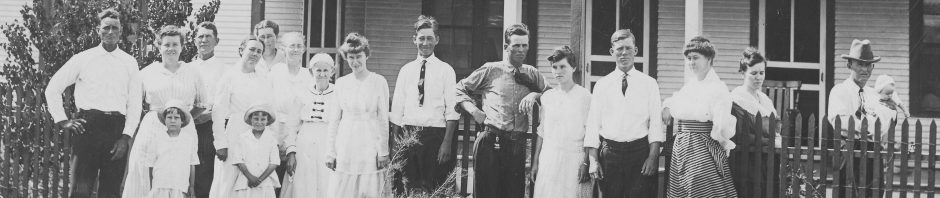
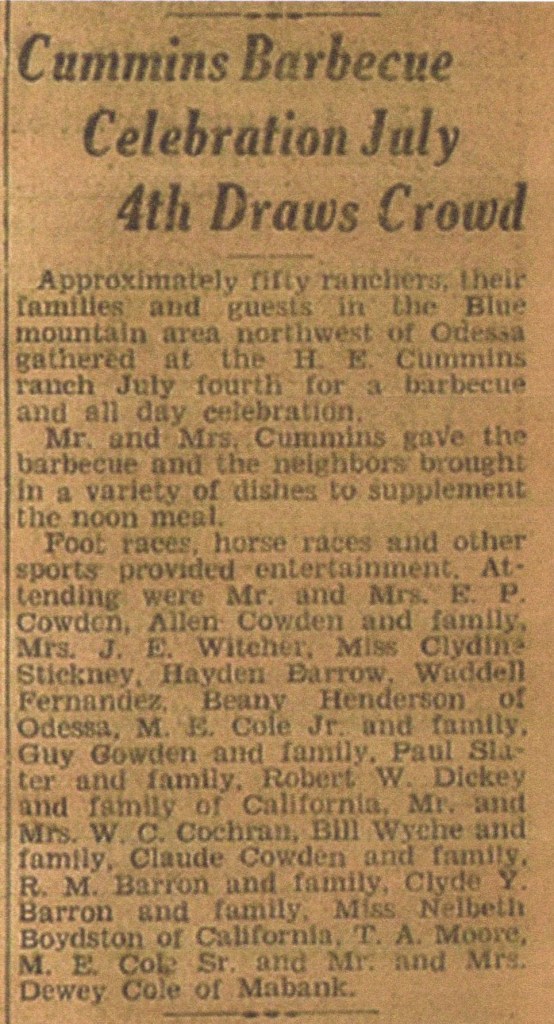
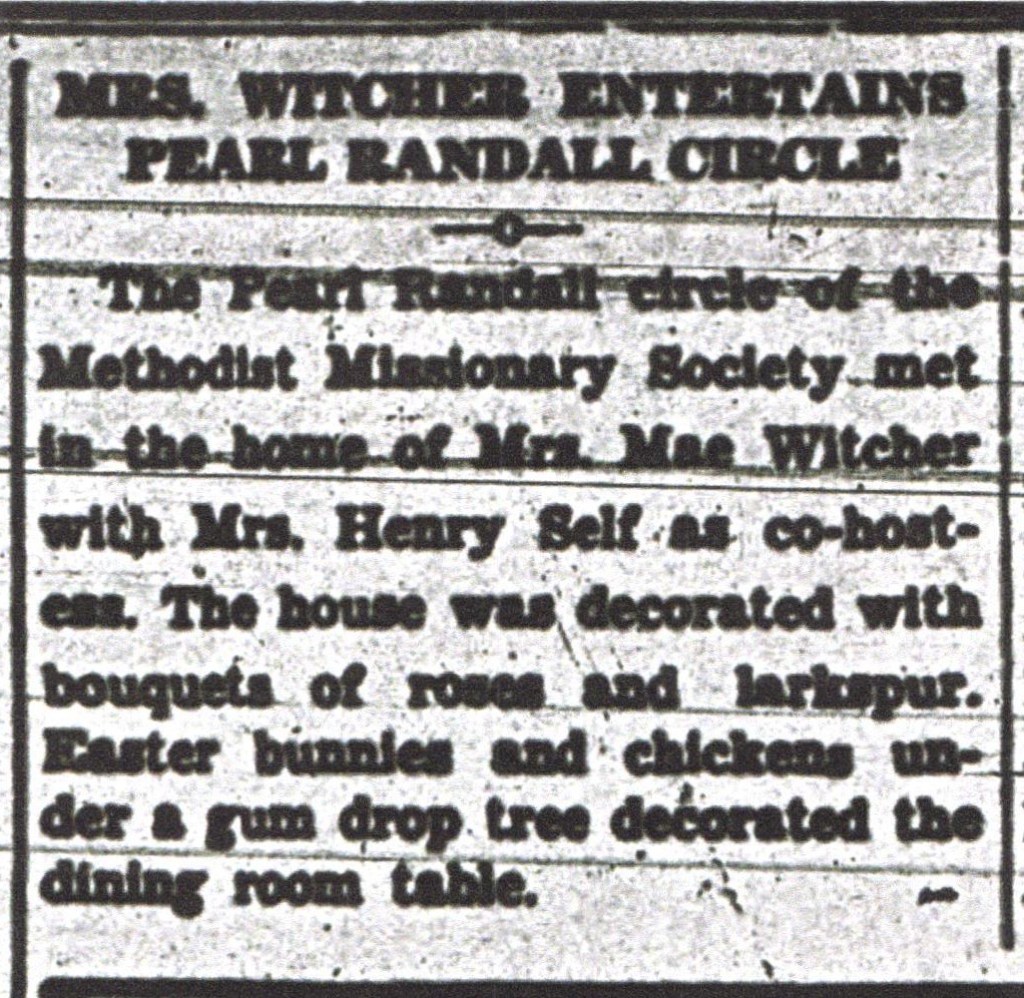
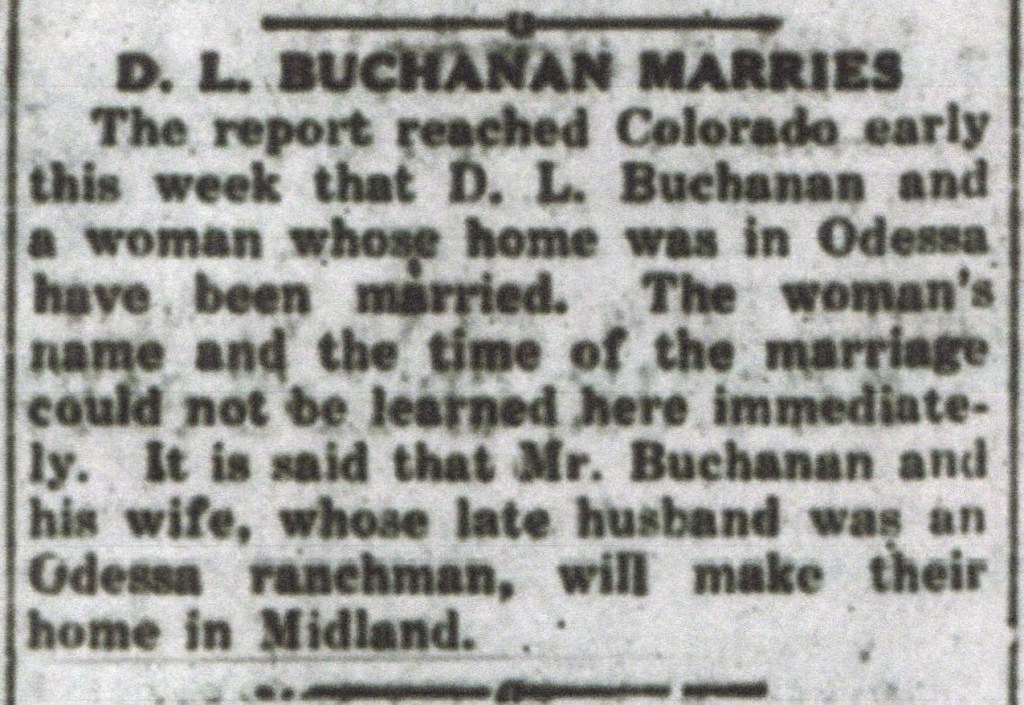

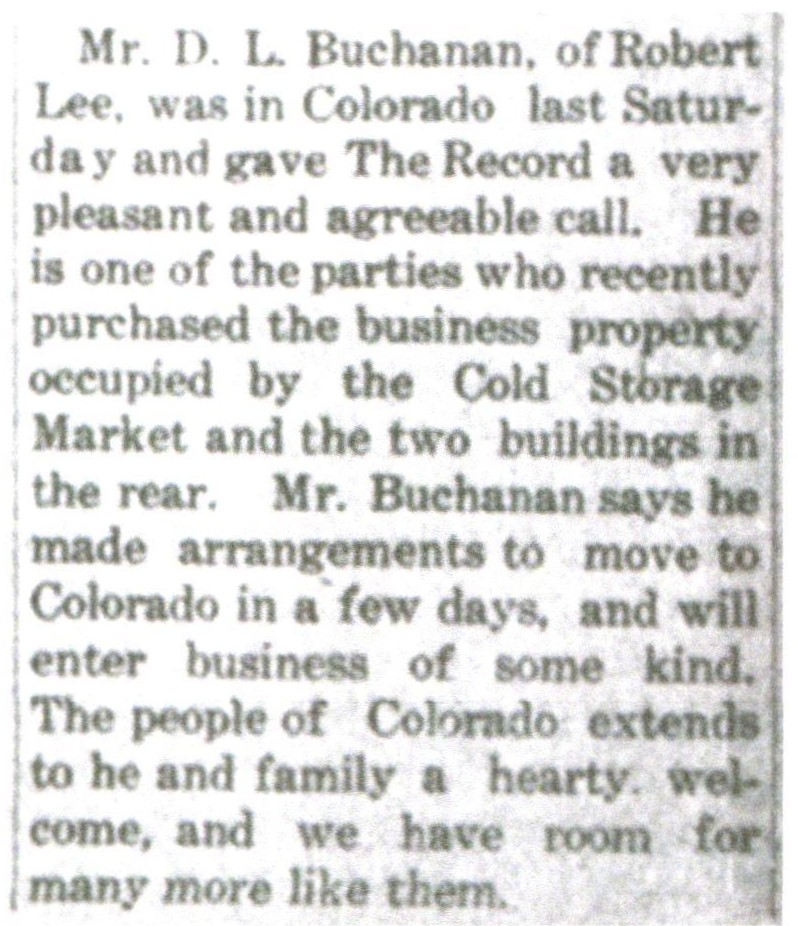

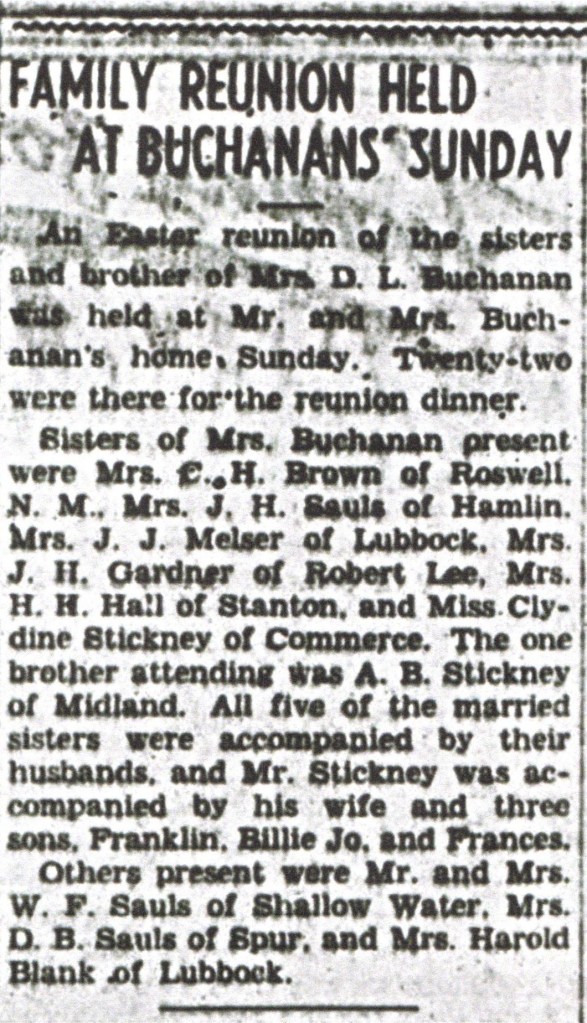

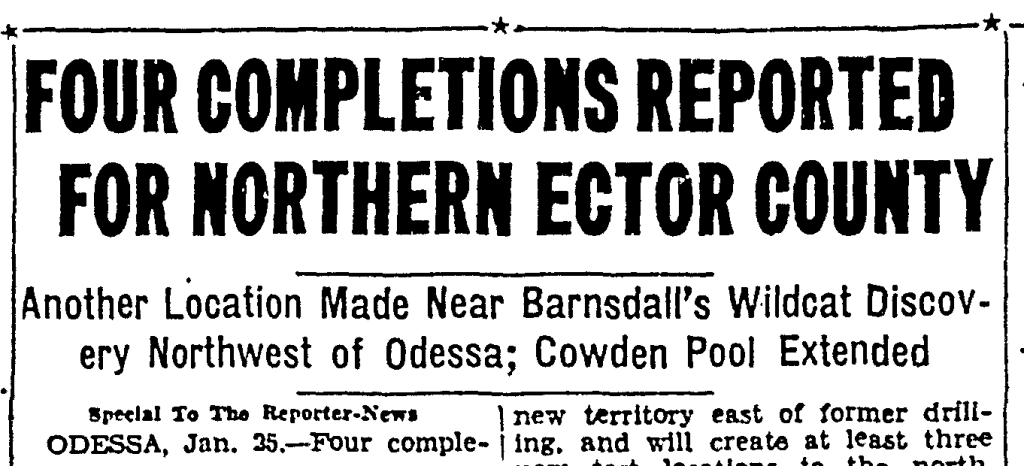

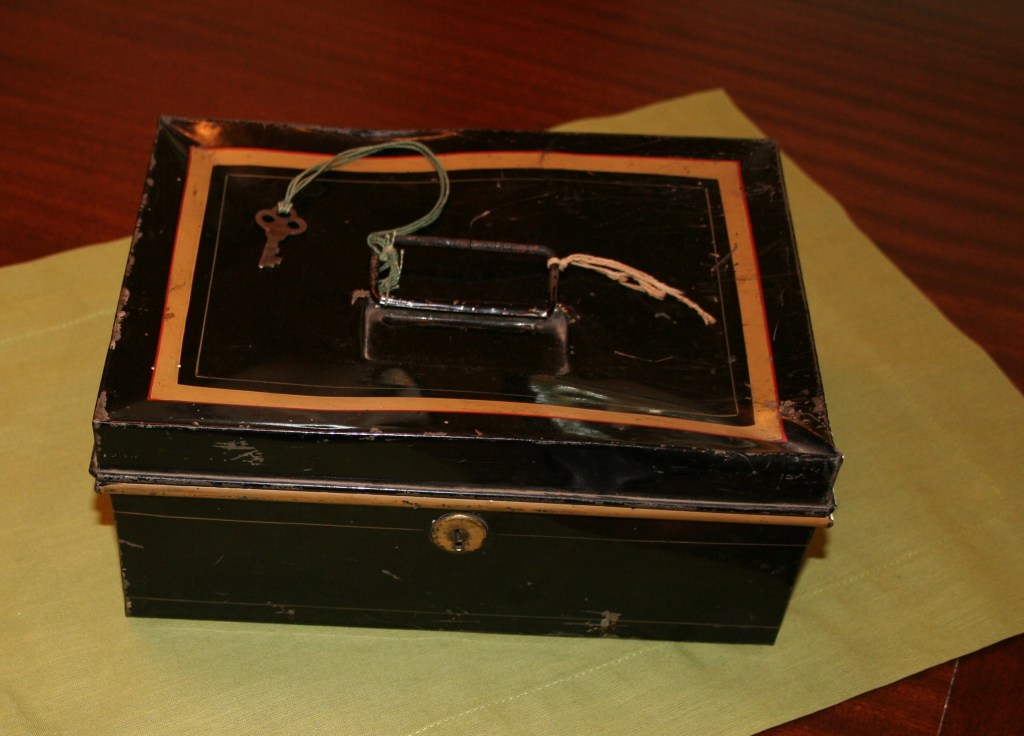
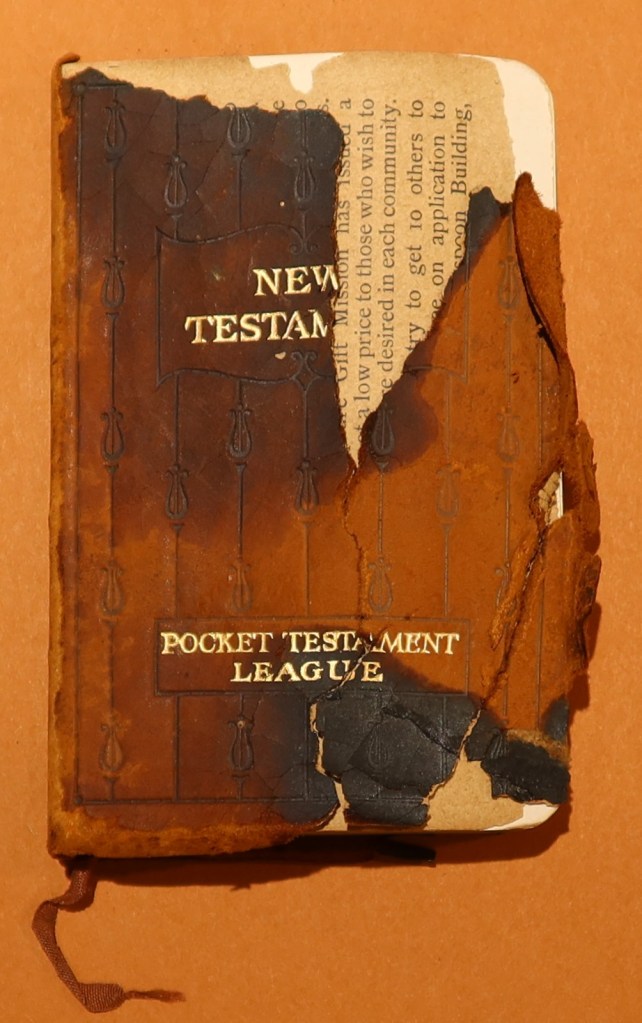
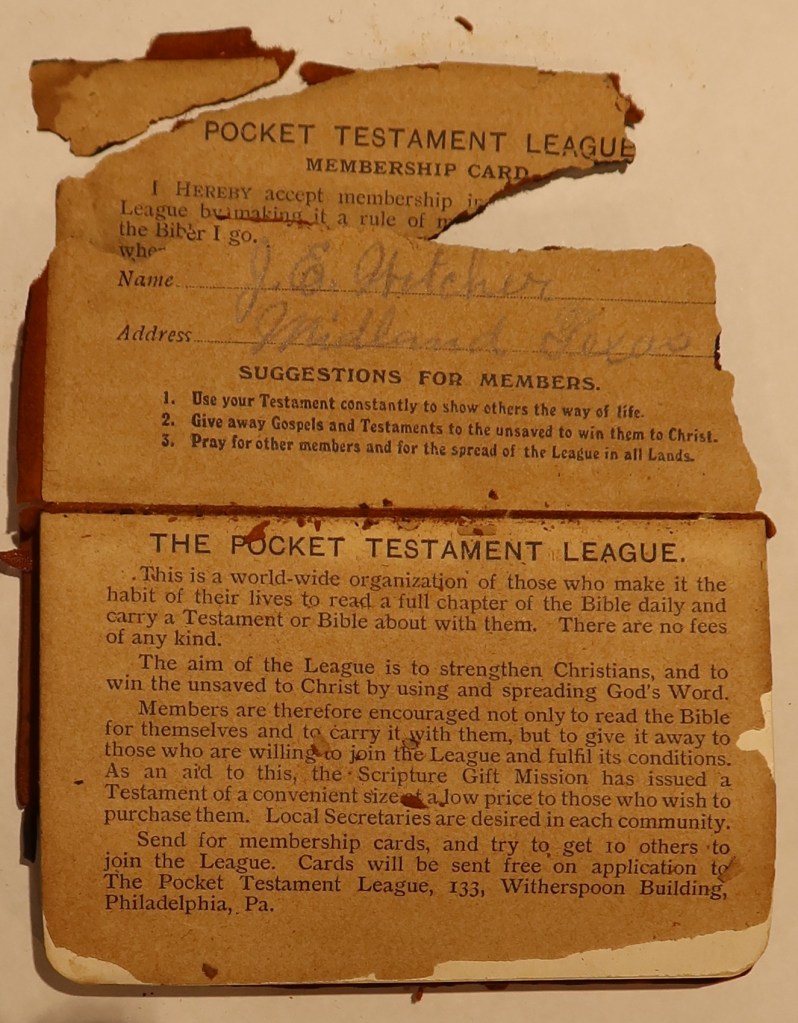
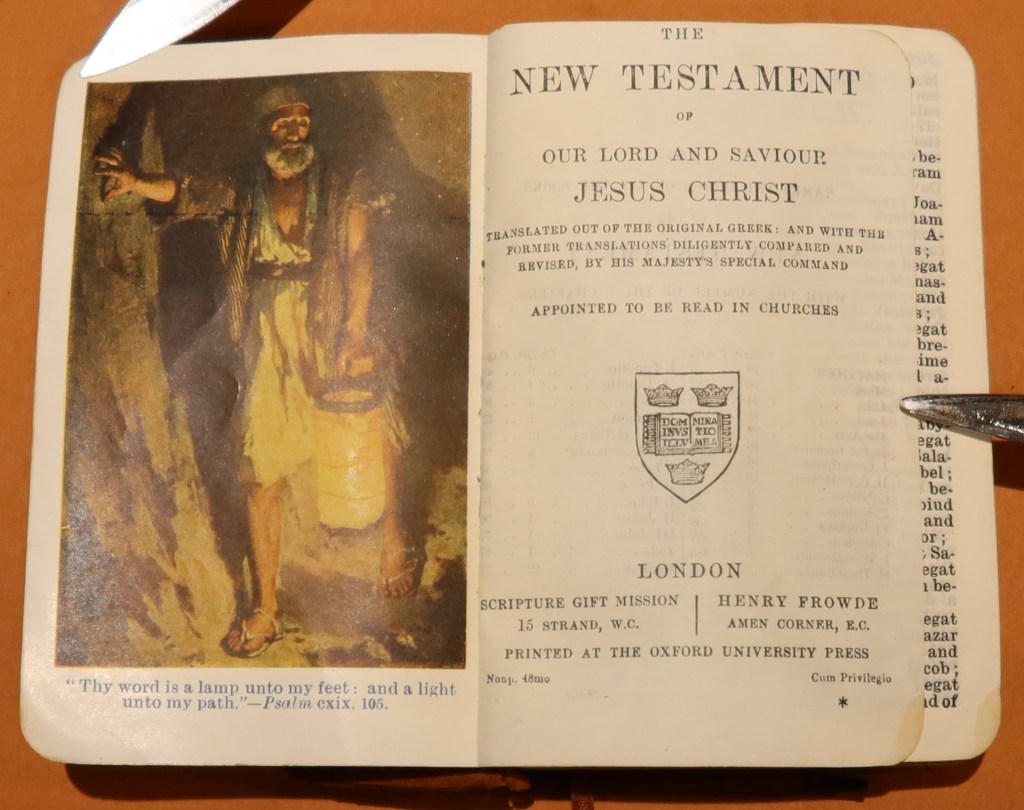
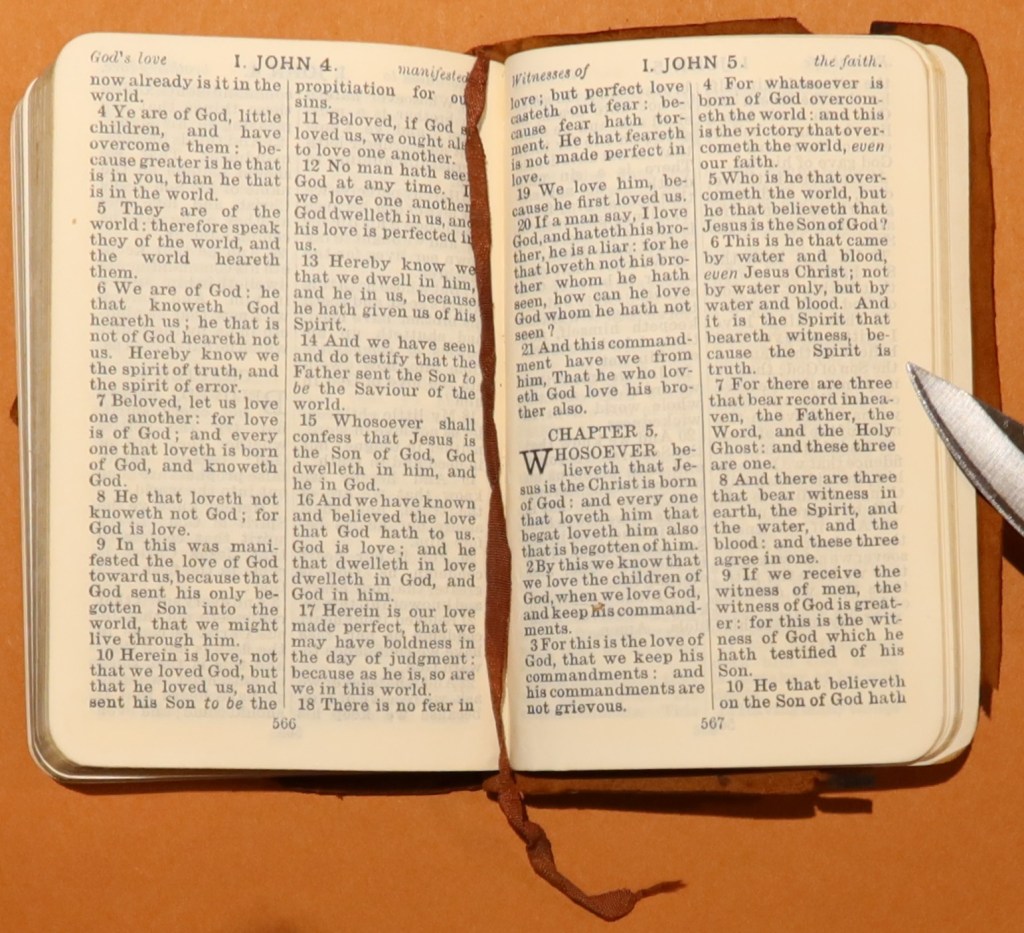
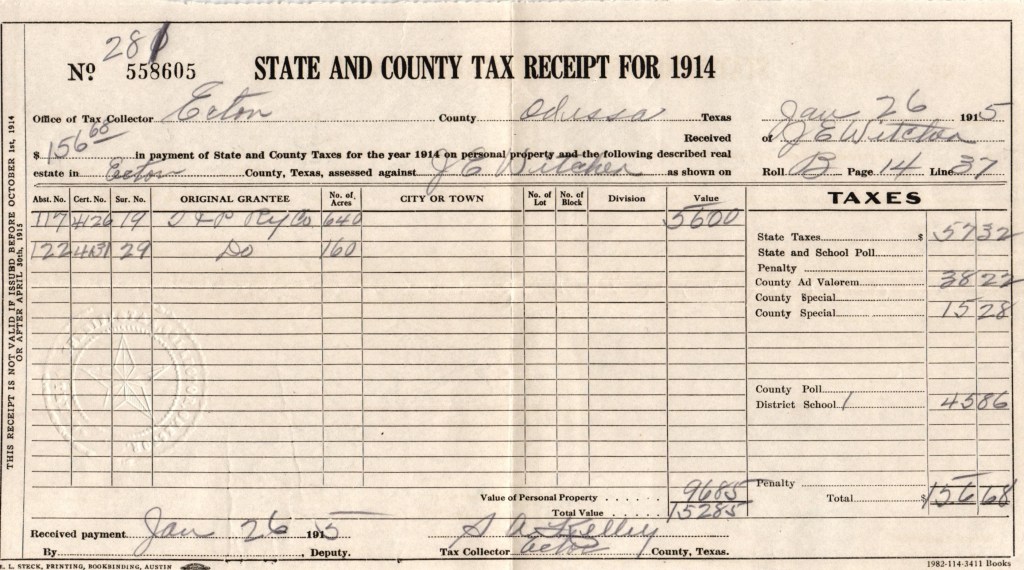
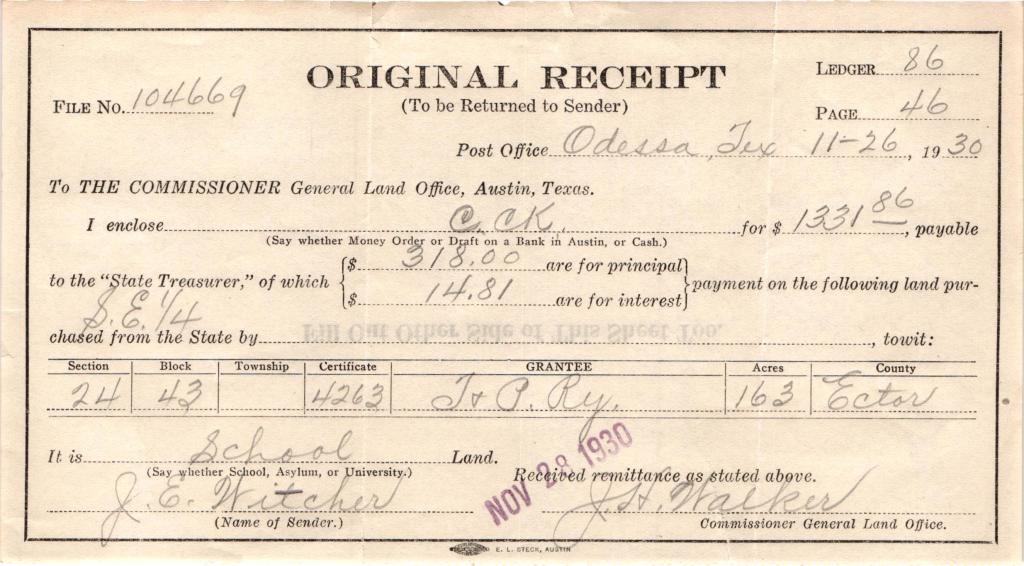
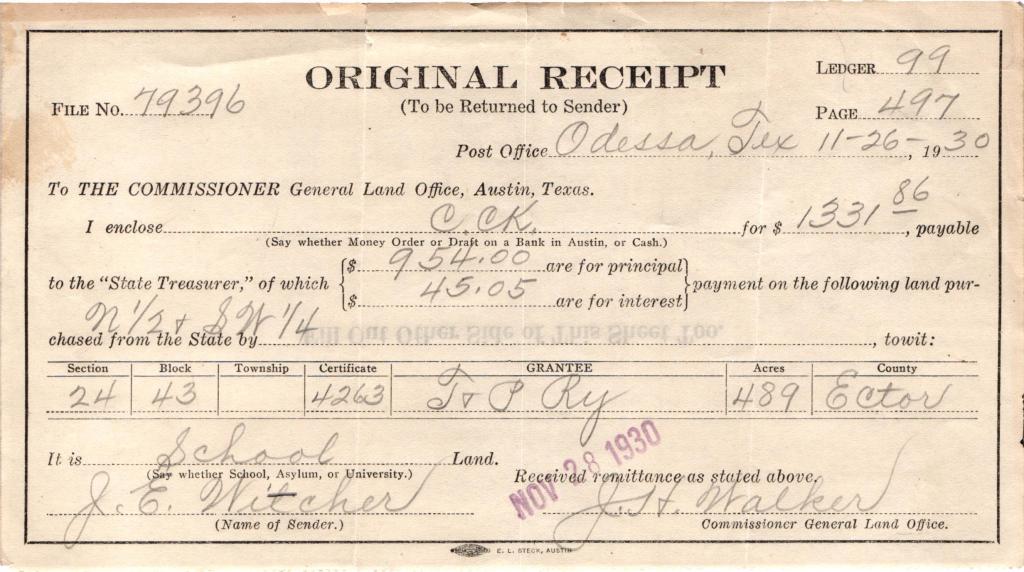
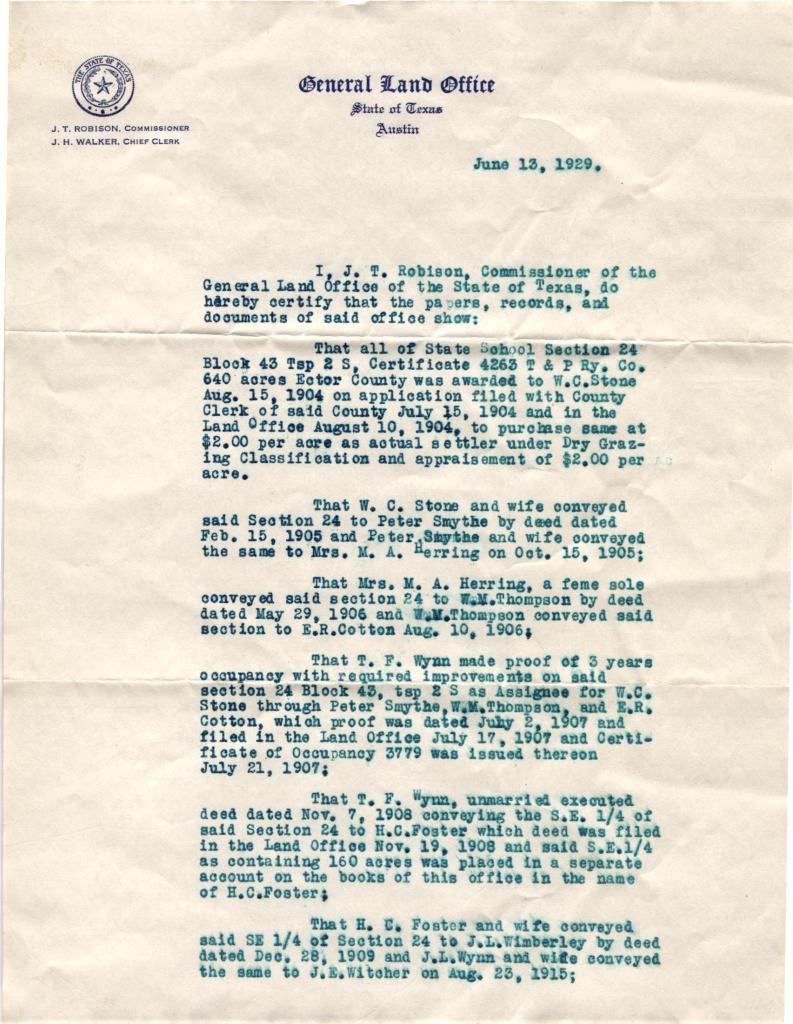
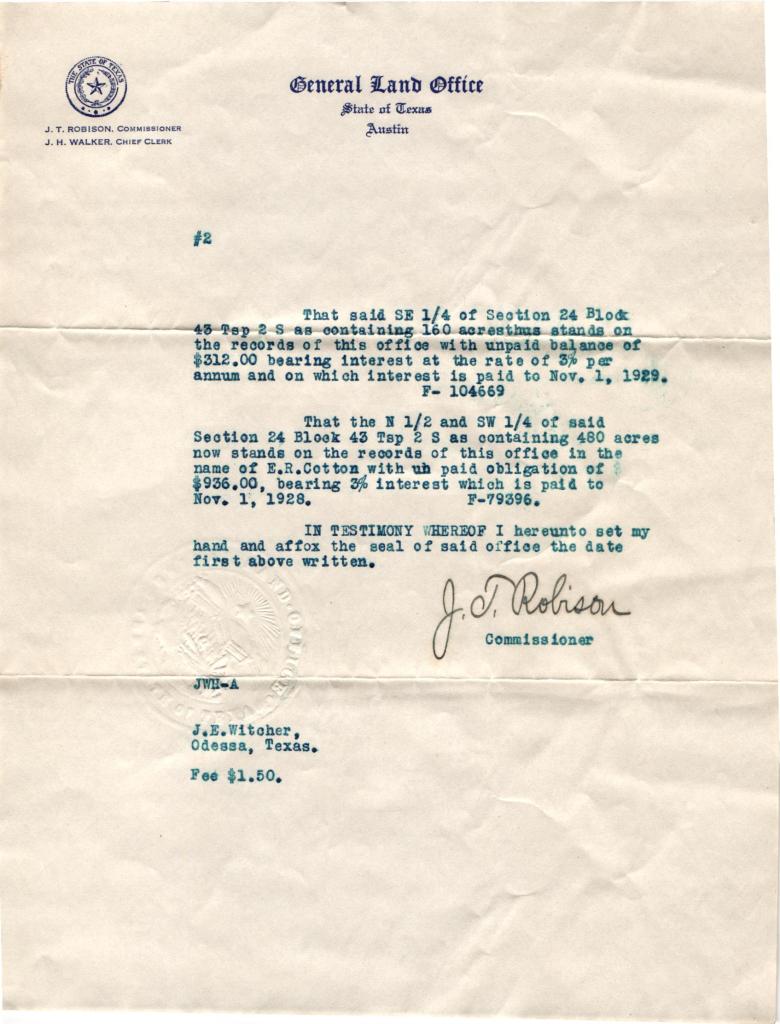


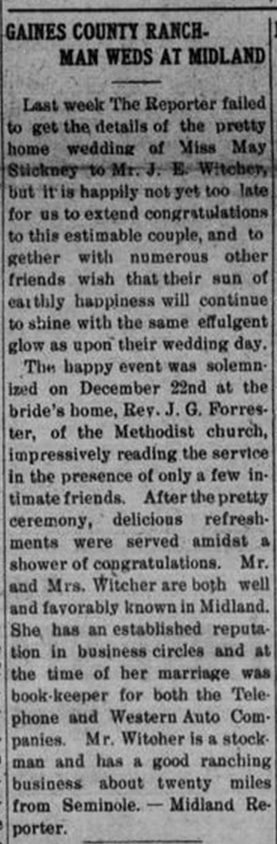
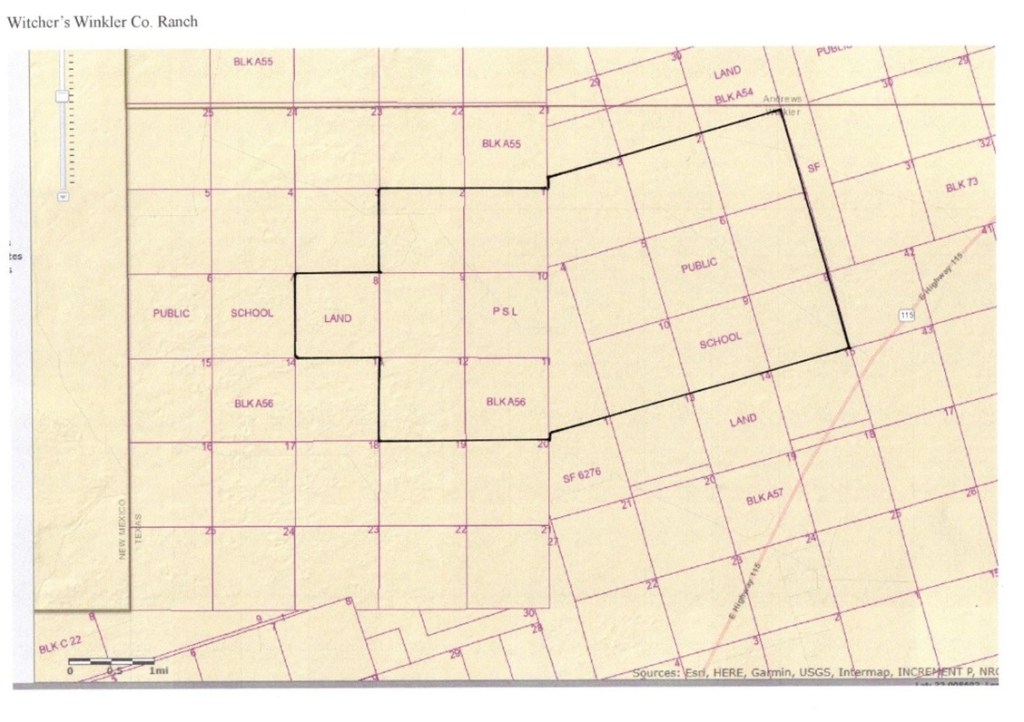


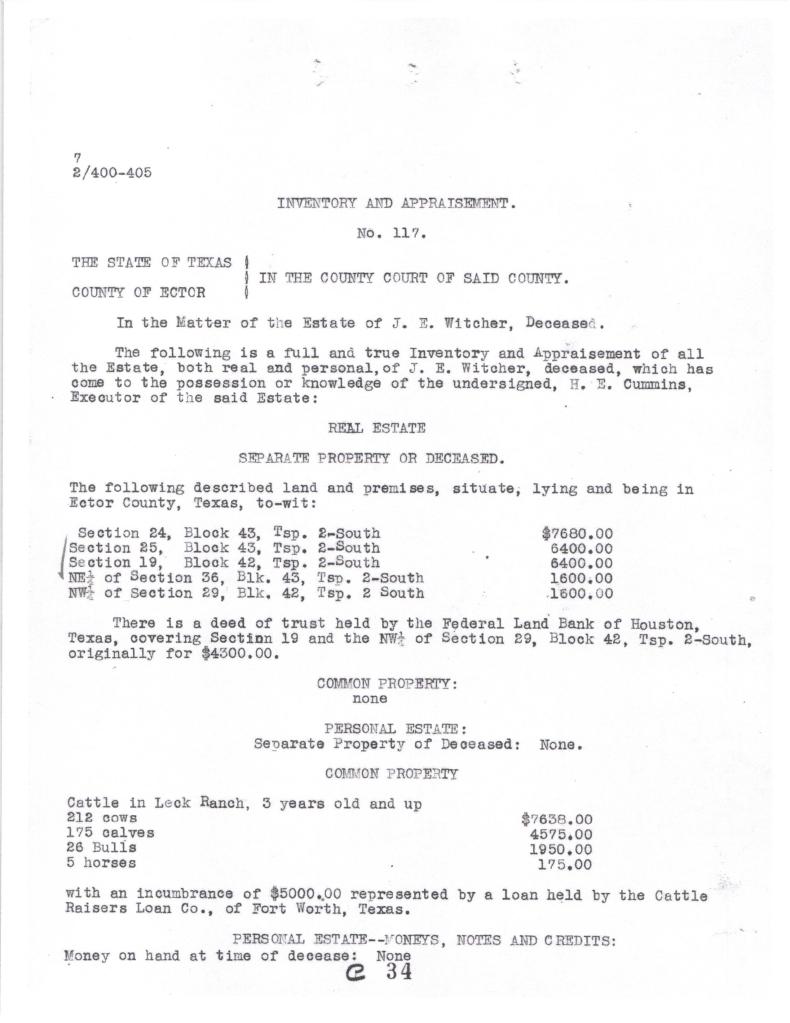

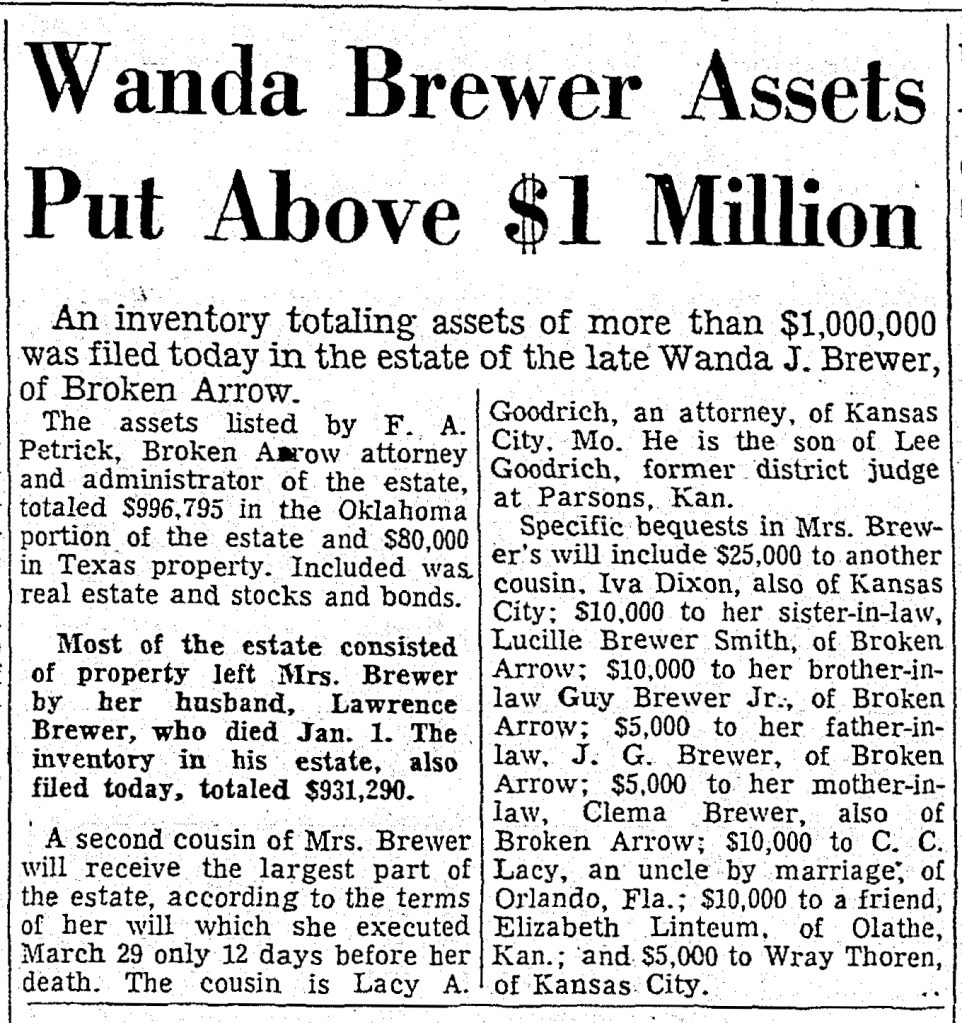
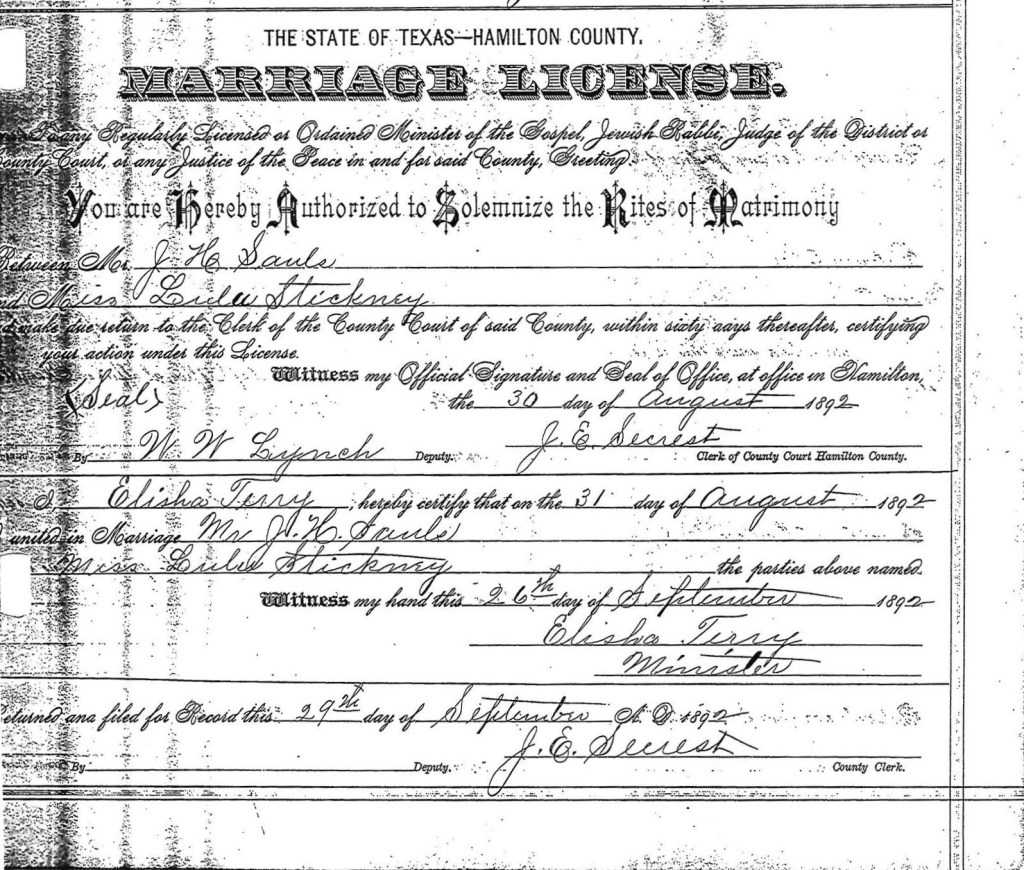
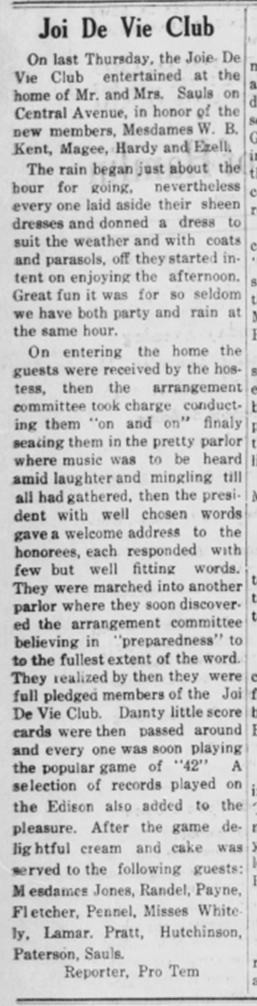
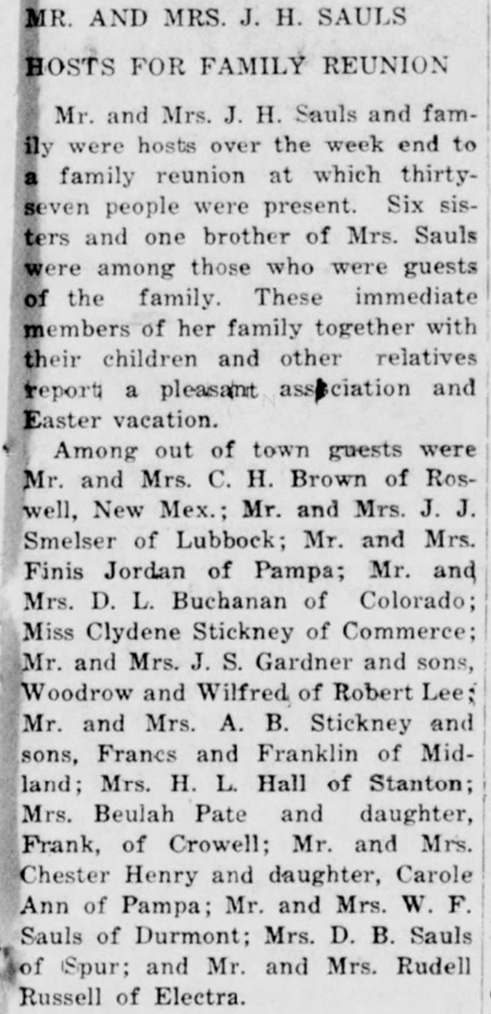


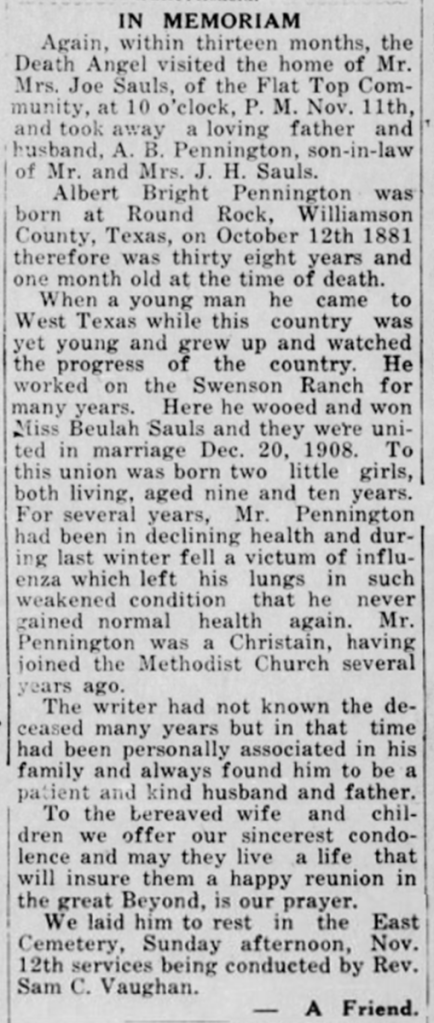
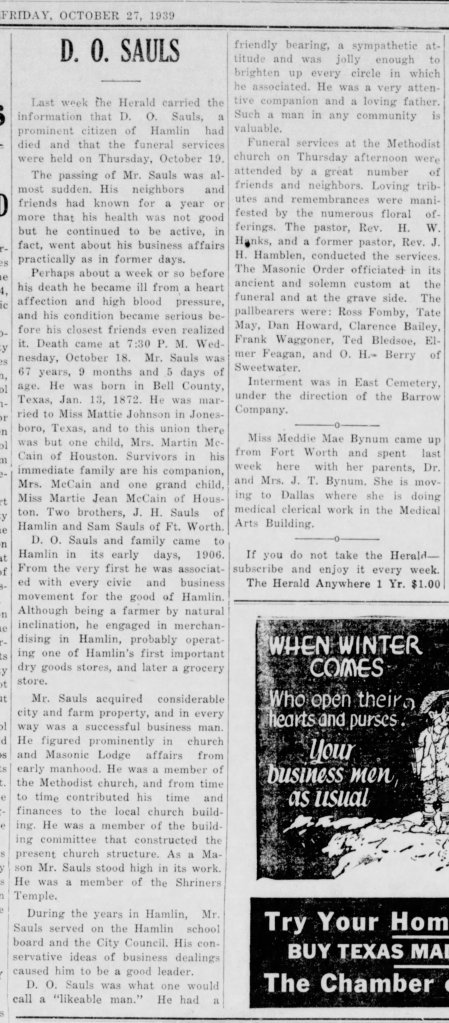
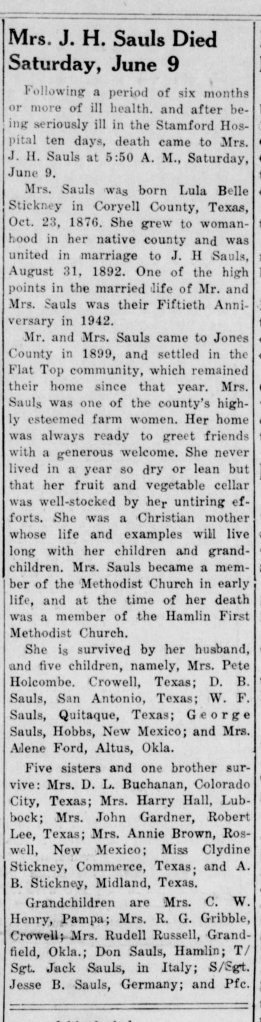
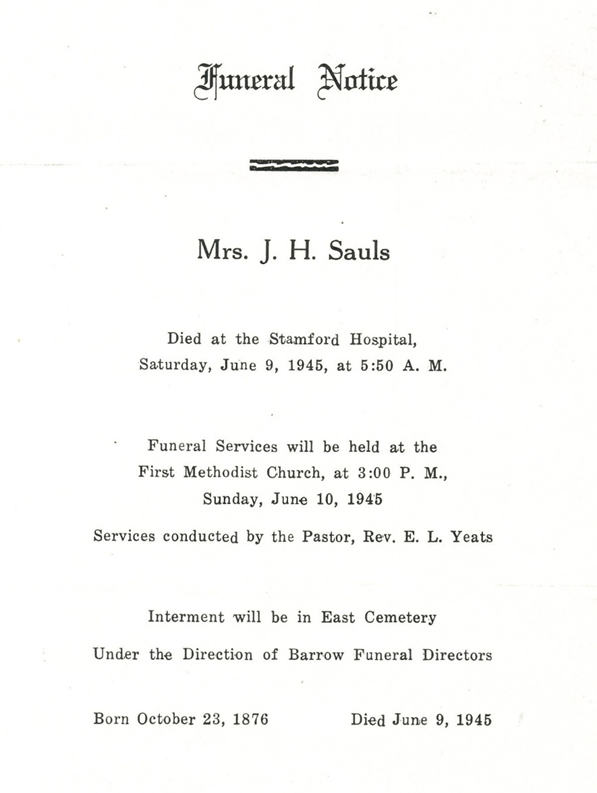
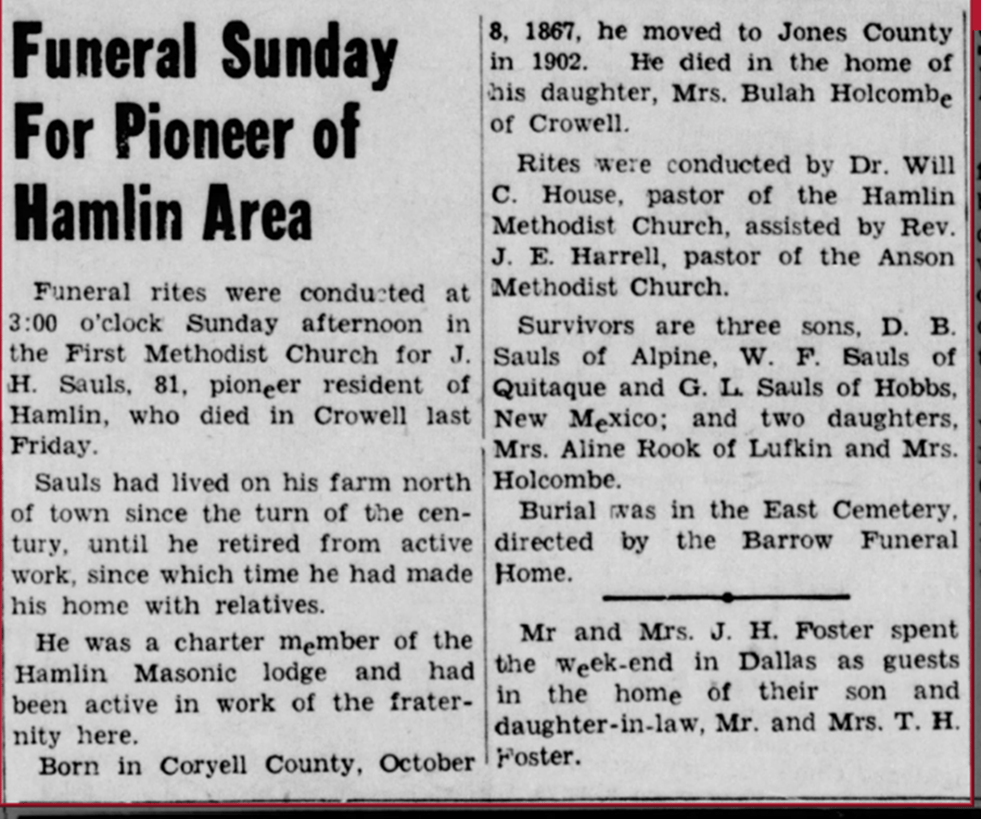
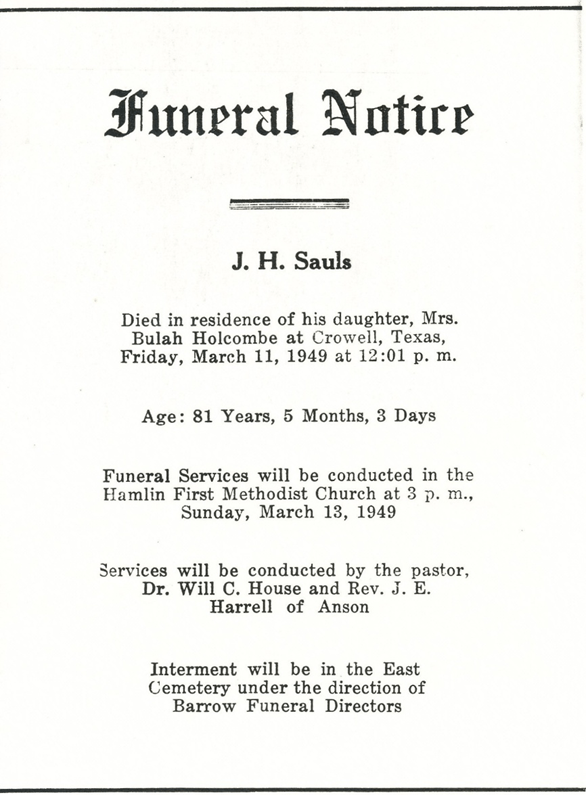
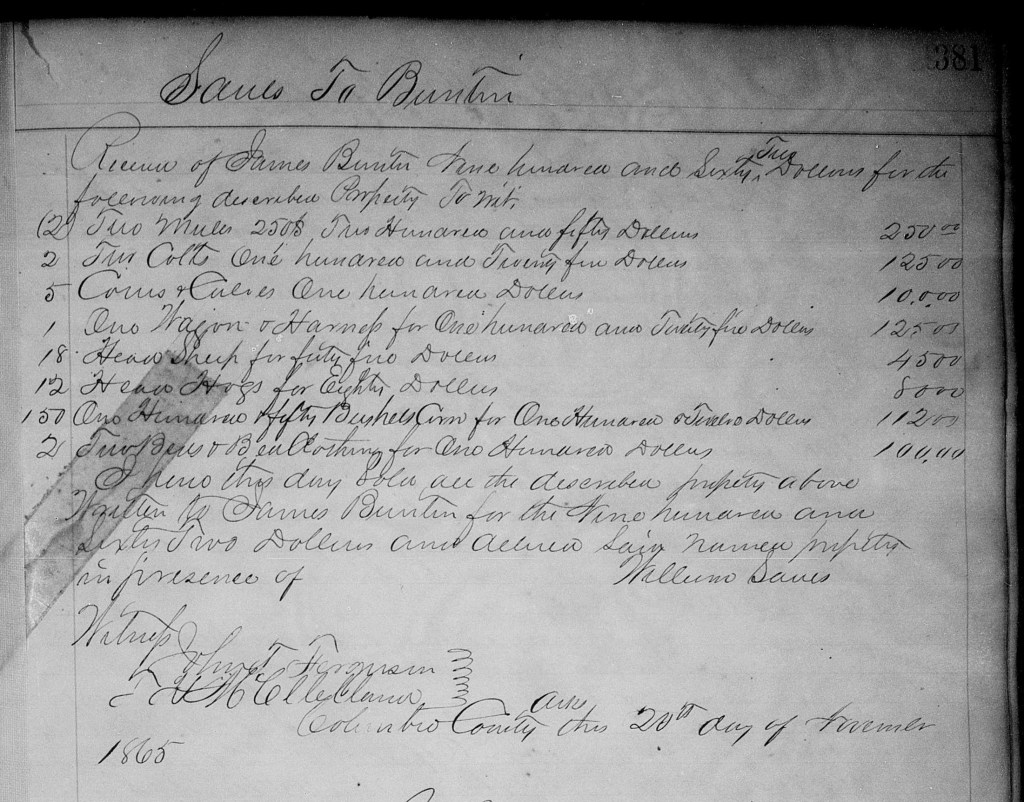

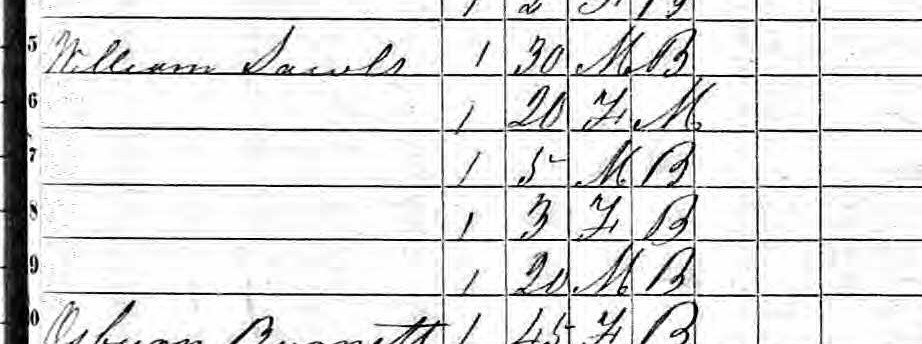




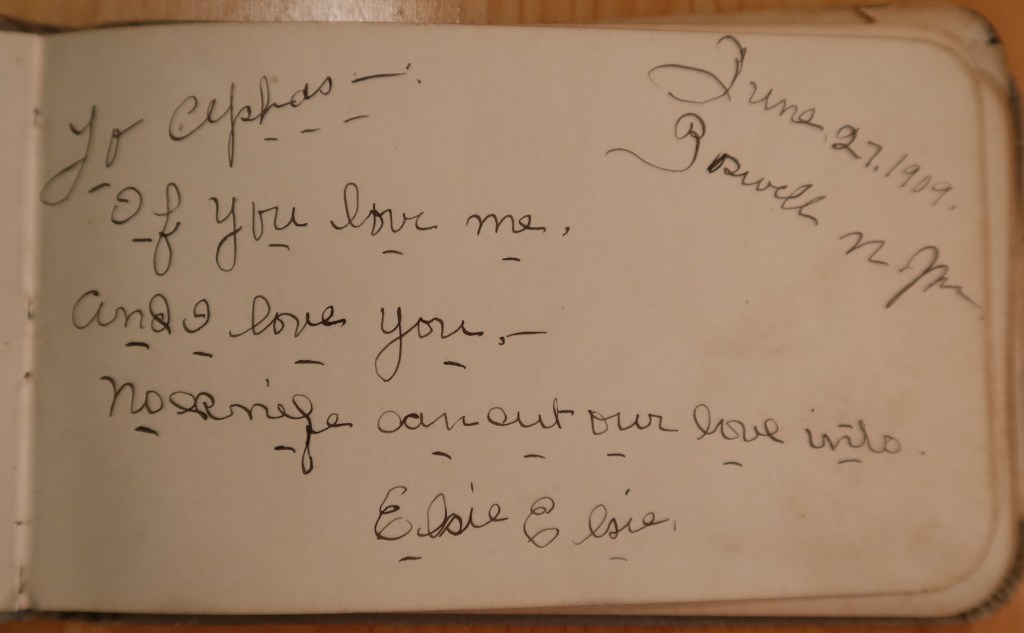
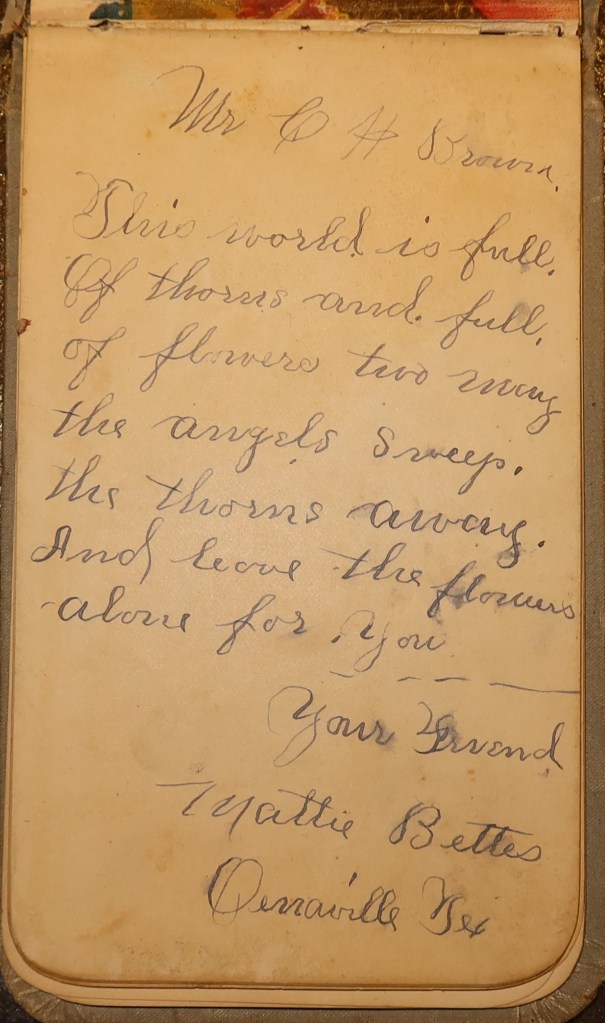
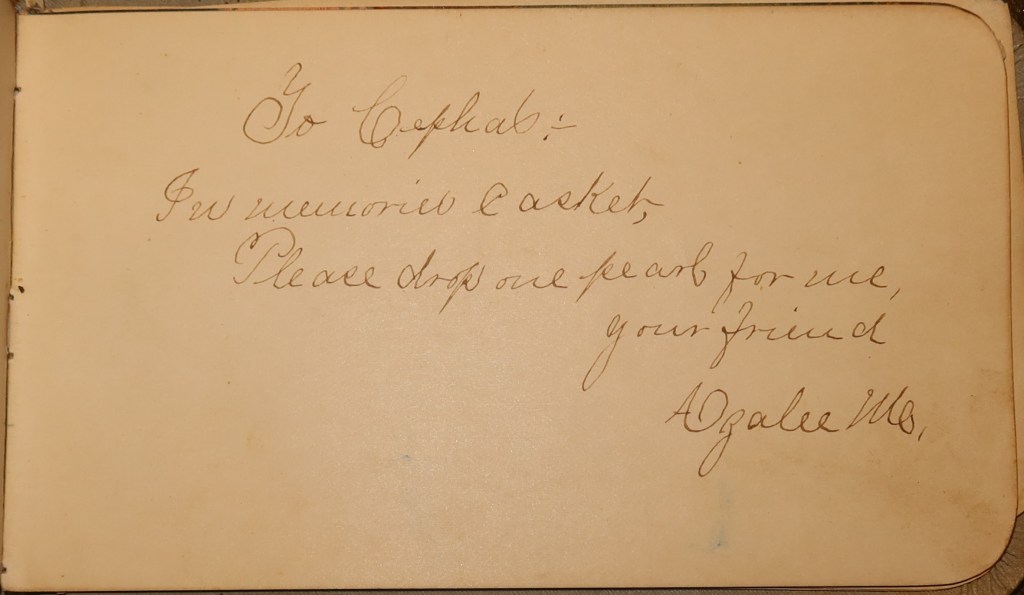
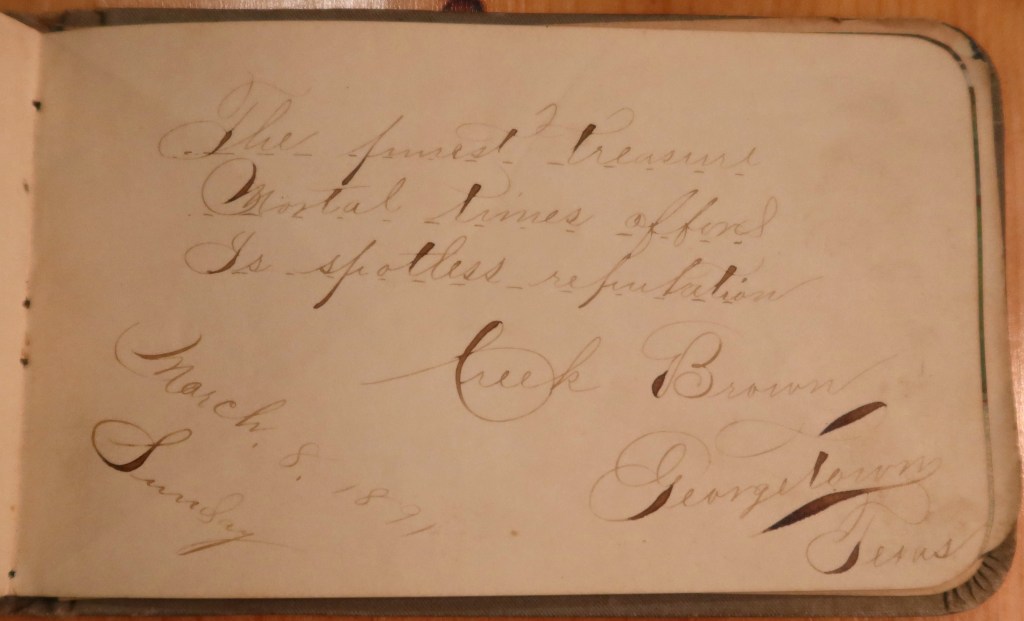
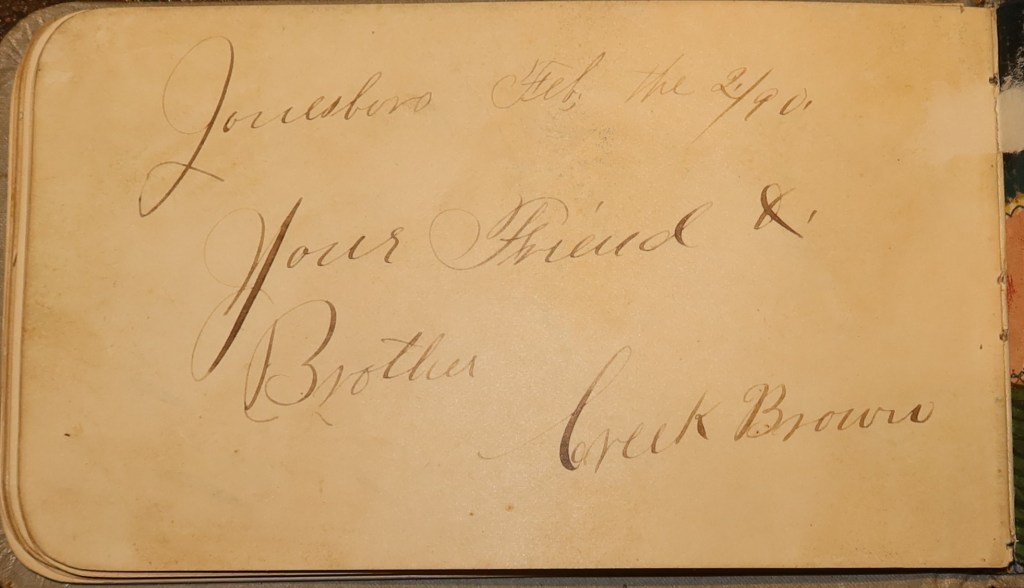

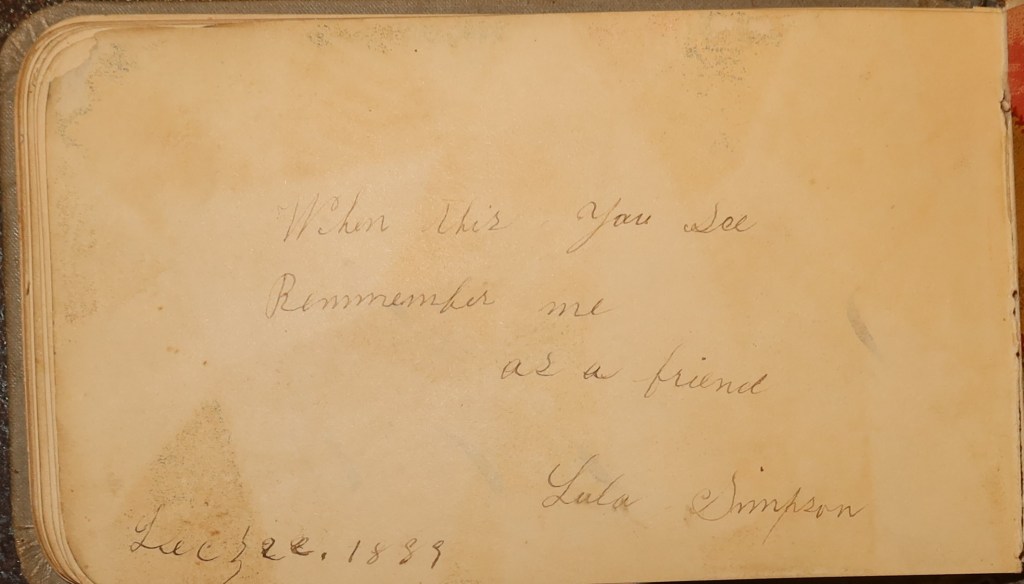

 Forwardly Looking Back